Vera Molnár, A Pioneer of Digital Art
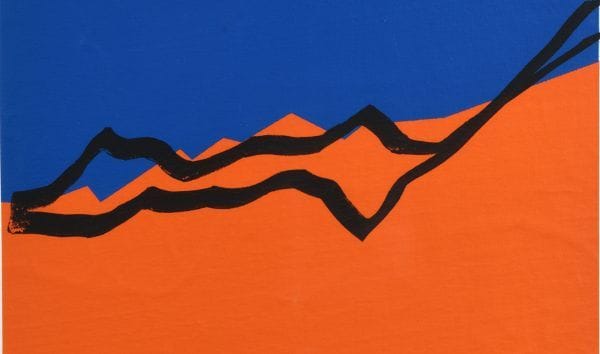
These works come from one of the few private heirs of Vera Molnár’s estate, a close collaborator who worked with the artist for many years. Carefully selected, they offer a unique opportunity to grasp the artist’s creative processes and understand how her practice evolved through an ongoing dialogue between human ingenuity and machine potential.
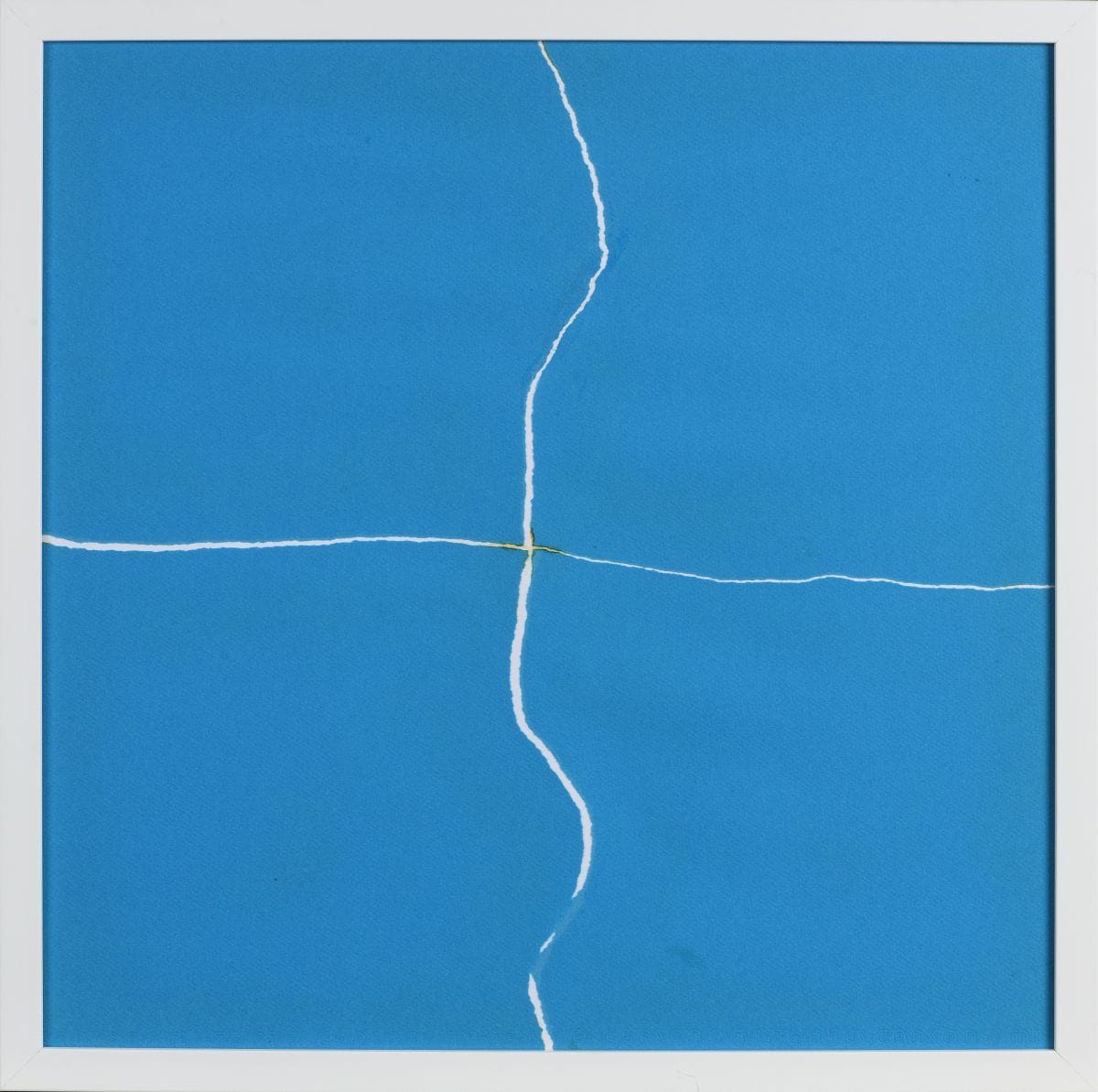
For Vera Molnár, human and machine were not in competition but engaged in a constant exchange, each possessing both limitations and strengths. In her work, the laws of chance played a fundamental role, serving as a meeting point between human intuition and the computer’s computational power—an invitation to embrace the unpredictability of a rigour always infused with imagination.
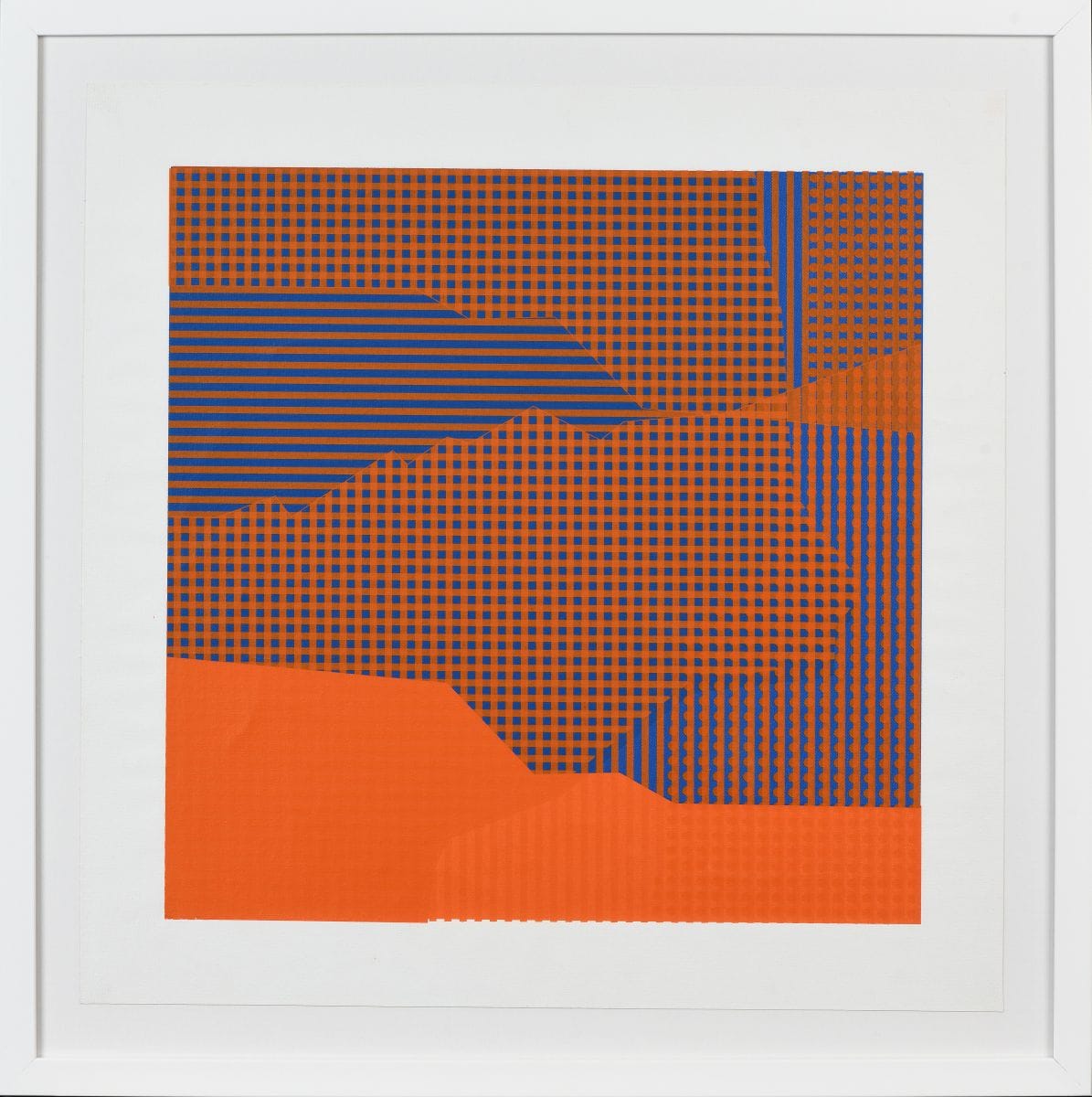
Alongside some of her earliest computer-generated drawings on Benson paper, the sale will feature handwritten compositions, playful explorations of grids and lines, studies of the Sainte-Victoire mountain’s contours, collages, torn-paper works, and more—all bearing witness to her boundless freedom in her approach to form and colour, and her continual interplay between hand and machine. Until her final days, with an ever-youthful spirit, Vera Molnár demonstrated that art remains, more than ever, open to experimentation and to the endless play of mind and hand.
Vera Molnár
Vera Molnár is a Hungarian-born French artist, widely regarded as a pioneer in the field of digital and algorithmic art. Born in Budapest in 1924, Molnar initially studied fine arts before turning her attention to geometric abstraction and the role of mathematics in visual art. In the 1950s, she moved to Paris, where her work began to explore the intersections between art and technology. Molnár is best known for her innovative approach to creating art through mathematical algorithms. Drawing inspiration from the principles of geometry and the structure of the visual world, she developed systems that allowed her to generate artworks using predetermined rules. Her use of computers in the 1960s, at a time when digital art was in its infancy, marked her as one of the first artists to embrace computational processes in her creative practice.