
2026年11月6日星期五 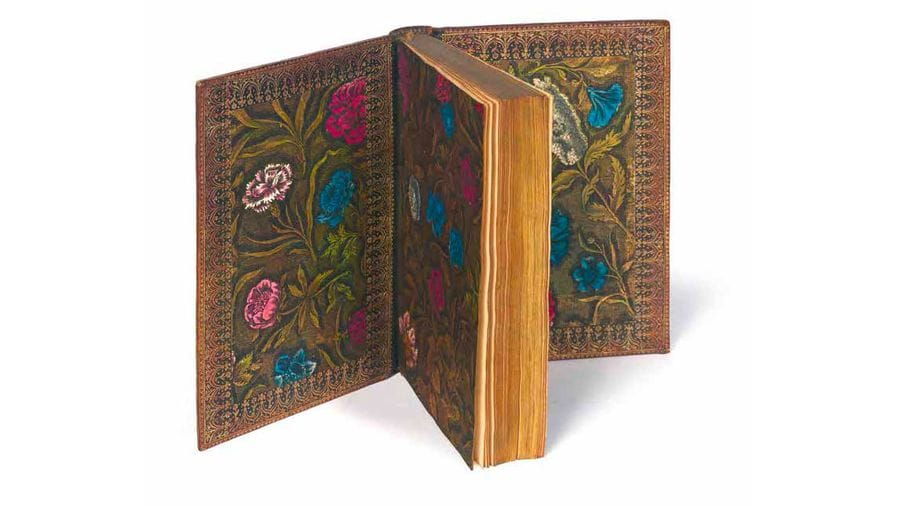
The highlight of the sale is Albrecht Dürer’s 1511 Trilogy, bringing together in a single volume the artist’s three great woodcut series: The Apocalypse, The Life of the Virgin and The Large Passion. Each series bears the artist’s signature, showcasing the extraordinary refinement of his work and reaffirming his undisputed mastery in elevating woodcut printing to the status of a major art form. This exceptional ensemble is estimated at €150,000–200,000.
Six incunabula testify to the profound impact of early printing on book history, spanning the late fifteenth and early sixteenth centuries. Among them is Honoré Bovet’s L’Arbre des batailles (The Tree of Battles), in the only illustrated edition published by the Parisian bookseller Antoine Vérard. Addressing questions of power and warfare, this work was dedicated to the young KingCharles VIand is estimated at €20,000–30,000. Offering a different perspective on the period, the theologian Jacopo Filippo Foresti’s Recueil des femmes illustres (Collection of Illustrious Women),published in 1497, places biographies and portraits centre stage, reflecting the Renaissance’s growing fascination with historical figures and their representation.
The illuminated manuscripts offer some of the collection’s most remarkable discoveries, beginning with a thirteenth-century portable Bible, adorned with 82 historiated initials and estimated at €60,000–80,000. Books of hours are equally well represented, notably a Paris-use example produced around 1460 and attributed to the Master of Jean Rolin, whose fourteen large miniatures captivate with their exquisite delicacy. Another outstanding piece is a manuscript bringing together three Latin texts translated into French around 1470. Its three miniatures have recently been attributed to François Le Barbier, and the manuscript is estimated at €50,000–70,000.
French literature and classical theatre also feature prominently in this rich collection, notably through a manuscript of poems by Almanque Papillon, composed in the 1530s and partly unpublished. Admirers of Corneille and Molière will find two major editions published in 1682. The first brings together Corneille’s works in four volumes, in the last collected edition published during his lifetime, estimated at €10,000–12,000. The second is the first illustrated collected edition of Molière’s works, presented in eight volumes.
Collection Émile Rossignol : Un trésor bibliophile en vente à Drouot
O n 6 November, Giquello will present a remarkable bibliophile’s treasure at the Hôtel Drouot, with 87 lots from the Émile Rossignol collection. This sale features lluminated manuscripts, rare printed books and sumptuous bindings, with works and manuscripts dating from the Middle Ages tothe eighteenth century.
From the earliest printed books to publications from the end of the Ancien Régime, this distinguished collection reveals the discerning taste of a bibliophile drawn to rare editions, exquisite bindings and volumes whose decoration, provenance or history tells a story as compelling as the text itself.
The highlight of the sale is Albrecht Dürer’s 1511 Trilogy, bringing together in a single volume the artist’s three great woodcut series: The Apocalypse, The Life of the Virgin and The Large Passion. Each series bears the artist’s signature, showcasing the extraordinary refinement of his work and reaffirming his undisputed mastery in elevating woodcut printing to the status of a major art form. This exceptional ensemble is estimated at €150,000–200,000.

Six incunabula testify to the profound impact of early printing on book history, spanning the late fifteenth and early sixteenth centuries. Among them is Honoré Bovet’s L’Arbre des batailles (The Tree of Battles), in the only illustrated edition published by the Parisian bookseller Antoine Vérard. Addressing questions of power and warfare, this work was dedicated to the young KingCharles VIand is estimated at €20,000–30,000. Offering a different perspective on the period, the theologian Jacopo Filippo Foresti’s Recueil des femmes illustres (Collection of Illustrious Women),published in 1497, places biographies and portraits centre stage, reflecting the Renaissance’s growing fascination with historical figures and their representation.
The illuminated manuscripts offer some of the collection’s most remarkable discoveries, beginning with a thirteenth-century portable Bible, adorned with 82 historiated initials and estimated at €60,000–80,000. Books of hours are equally well represented, notably a Paris-use example produced around 1460 and attributed to the Master of Jean Rolin, whose fourteen large miniatures captivate with their exquisite delicacy. Another outstanding piece is a manuscript bringing together three Latin texts translated into French around 1470. Its three miniatures have recently been attributed to François Le Barbier, and the manuscript is estimated at €50,000–70,000.
French literature and classical theatre also feature prominently in this rich collection, notably through a manuscript of poems by Almanque Papillon, composed in the 1530s and partly unpublished. Admirers of Corneille and Molière will find two major editions published in 1682. The first brings together Corneille’s works in four volumes, in the last collected edition published during his lifetime, estimated at €10,000–12,000. The second is the first illustrated collected edition of Molière’s works, presented in eight volumes.

This bibliophilic passion, nurtured over several generations, came into its own with Jean - known as Émile - Rossignol, who began his career as a bookseller in 1920, at the age of fourteen, working alongside his father in the family bookshop. Following his father’s death in 1950, he took over the business, further following in his footsteps by adopting his father’s first name. His keen eye and aesthetic sensibility informed his choices, shaping acarefully curated collection over the years, assembled primarily between the mid-1950s and the early 1970s. As a passionate bookseller and collector, Émile Rossignol Jr. thus established himself as one of the leading figures of the Parisian antiquarian booktrade of his time.
Today, Patrice Rossignol, Émile’s grandson, stands at the helm of the family bookshop, carrying this legacy forward. “Every one of them, whatever its value, is desirable for one reason or another,” he observes. This conviction invites us to explore the collection without any preconceived hierarchy, allowing each book to reveal, in its own way, what makes it unique.
Today, Patrice Rossignol, Émile’s grandson, stands at the helm of the family bookshop, carrying this legacy forward. “Every one of them, whatever its value, is desirable for one reason or another,” he observes. This conviction invites us to explore the collection without any preconceived hierarchy, allowing each book to reveal, in its own way, what makes it unique.


