From Renoir to Degas & the Rediscovery of a Kulmbach at Drouot
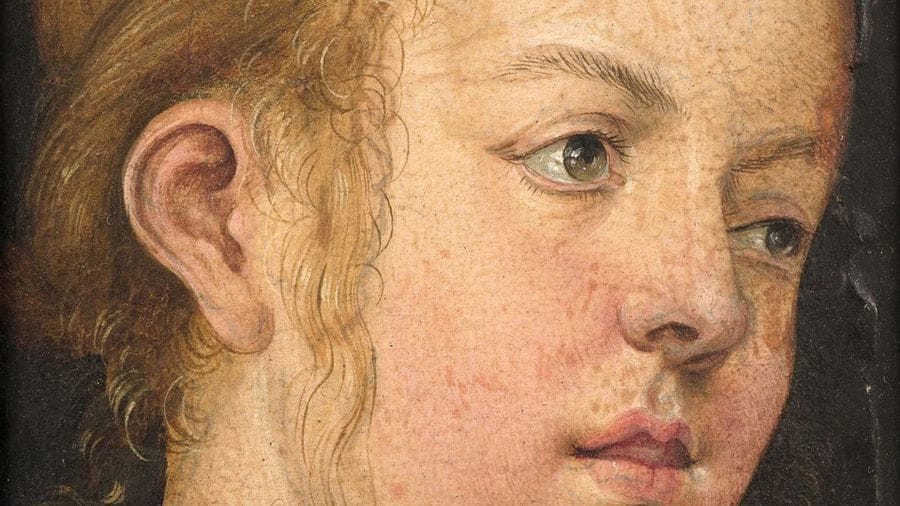
A major discovery of the sale, Étude de tête de femme tournée vers la droite perfectly embodies the influence of Albrecht Dürer on the art of his time and on the members of his Nuremberg workshop, including the artist responsible for this almost naturalistic portrait, Hans Süss von Kulmbach (lot 49 – estimated at €200,000–€300,000).
At a time when the prosperity of Nuremberg in the early sixteenth century attracted goldsmiths, printers, cartographers and renowned painters, Dürer, a native of the city, introduced a new artistic vocabulary inspired by the Italian Renaissance. His workshop became a major centre of artistic dissemination, and Nuremberg developed a distinctive style, synthesising late Gothic tradition with contemporary innovations.
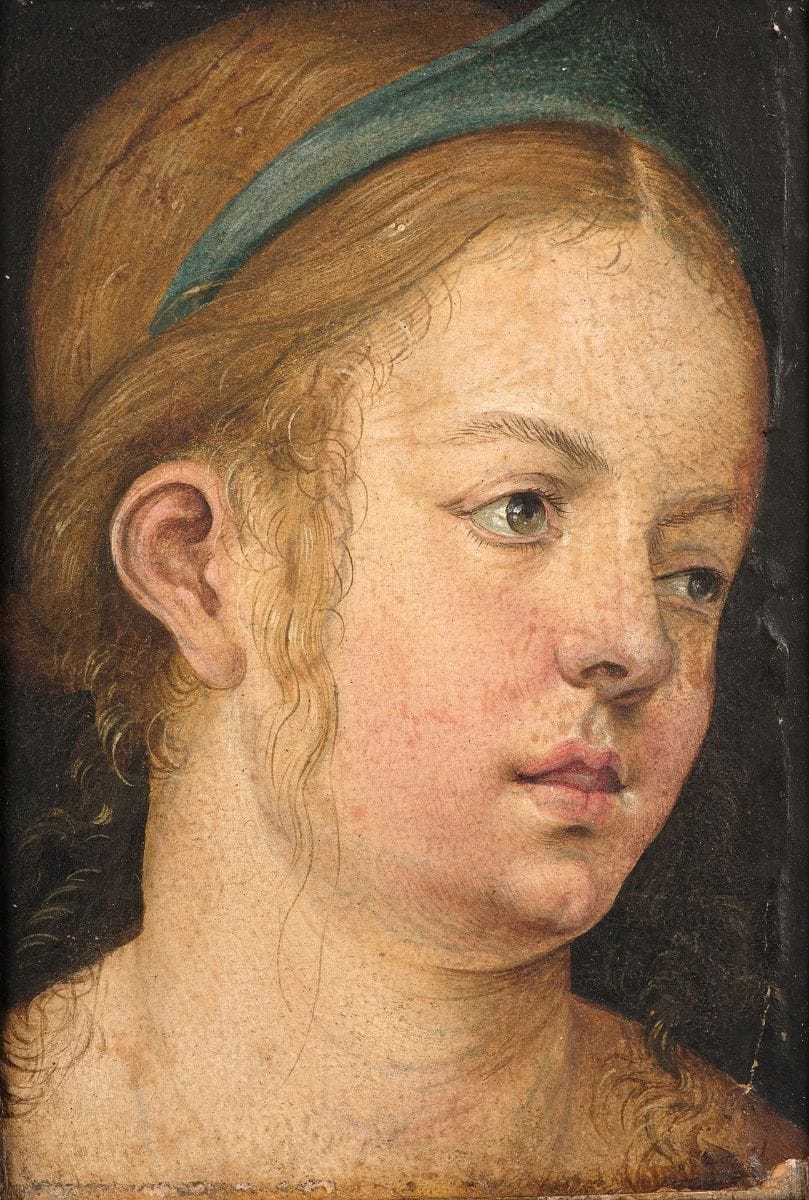
Kulmbach, a pupil of Dürer from 1507 onwards, soon established his own workshop and collaborated with his former master on several commissions, particularly religious ones. This rare tempera on vellum study is thus directly related to several of Kulmbach’s paintings; it can be recognised, for example, in the face of the Virgin in The Annunciation, held in Vienna, and also in one of his masterpieces, The Adoration of the Magi, in the collections of the Staatliche Museen in Berlin.
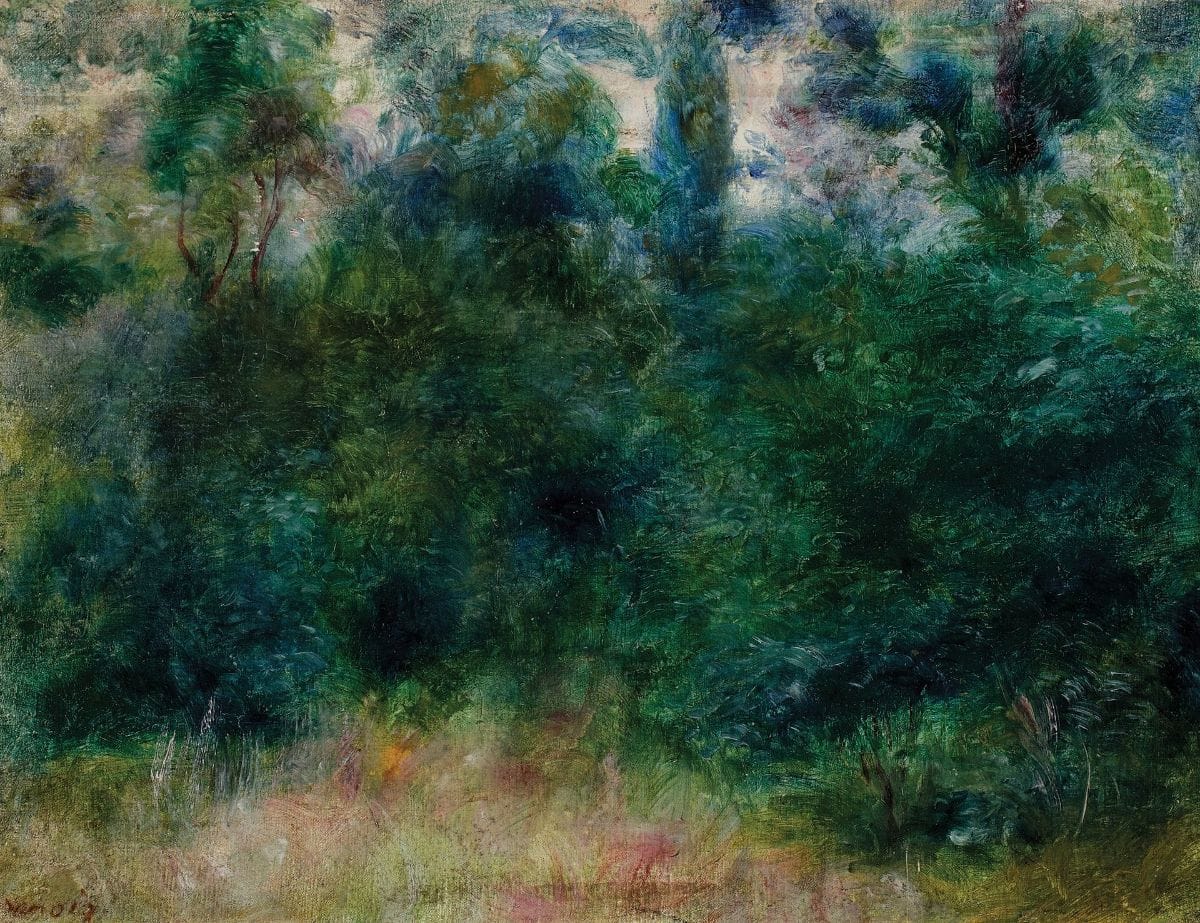
Two works by Pierre-Auguste Renoir further enhance the exceptional quality of the sale. La Jeune femme au bord de l’eau (lot 13 – estimated at €150,000–€200,000), an oil on canvas dated 1870, most likely depicts Lise Tréhot (1848–1922), the artist’s model between 1866 and 1872, who appears in around twenty of his works. Le Sous-bois (lot 61), painted between 1876 and 1878 at the height of his Impressionist period, reveals a vibrant brushstroke and a luminous fusion between figure and vegetation, placing this small painting among the emblematic works of that time. Formerly in the collection of Ambroise Vollard, it is estimated at €200,000–€300,000.
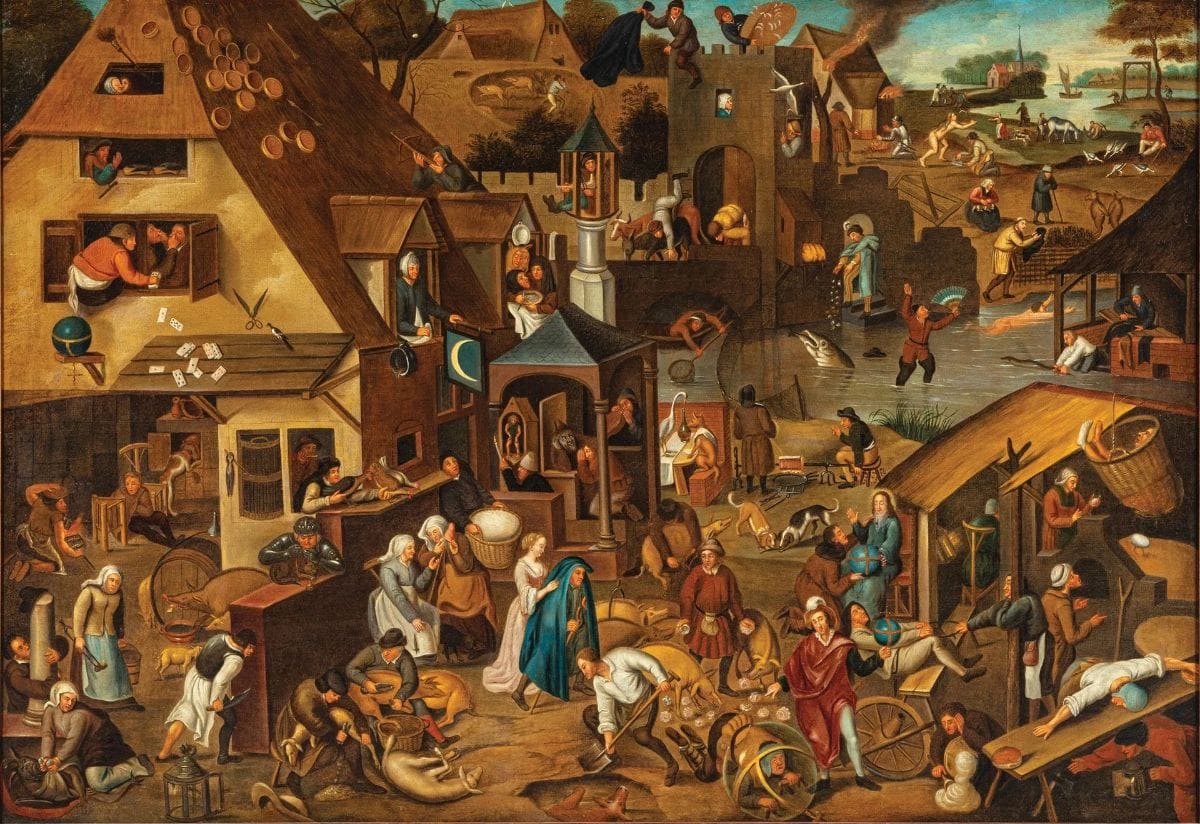
Seventeenth-century Flemish school paintings will also be highlighted in this sale. A work by a follower of Pieter Brueghel (lot 54, estimated at €30,000–€50,000) explores the theme of Flemish proverbs through a richly detailed composition bringing together around a hundred sayings and popular expressions. Among the most striking scenes are The Blue Cloak, a symbol of infidelity, and The World Turned Upside Down, while other, more anecdotal motifs reflect human folly and vice, such as the expression “to confess to the devil”, meaning to confide in an enemy. Beneath its seemingly playful surface, the work offers a critical and moral reading of the world, inviting the viewer to decipher its many layers of meaning.