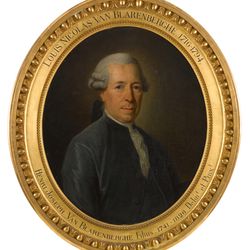
Van Blarenberghe and the Making of the Choiseul Snuffbox
Choiseul: statesman and collector
Étienne-François de Choiseul was one of the most powerful figures of his time. Having secured the support of Madame de Pompadour — and, through her, that of the King — he rose from a diplomatic career to become Secretary of State for Foreign Affairs in 1758, later assuming responsibility for both War and the Navy.
His marriage in 1750 to the granddaughter of the financier Antoine Crozat brought him immense wealth, along with the hôtel particulier on the rue de Richelieu. By the late 1760s he had transformed the residence — thereafter known as the Hôtel de Choiseul — into a setting worthy of his rank, assembling an important collection, particularly of Dutch and Flemish paintings.
The Choiseul snuffboxes: power in miniatures
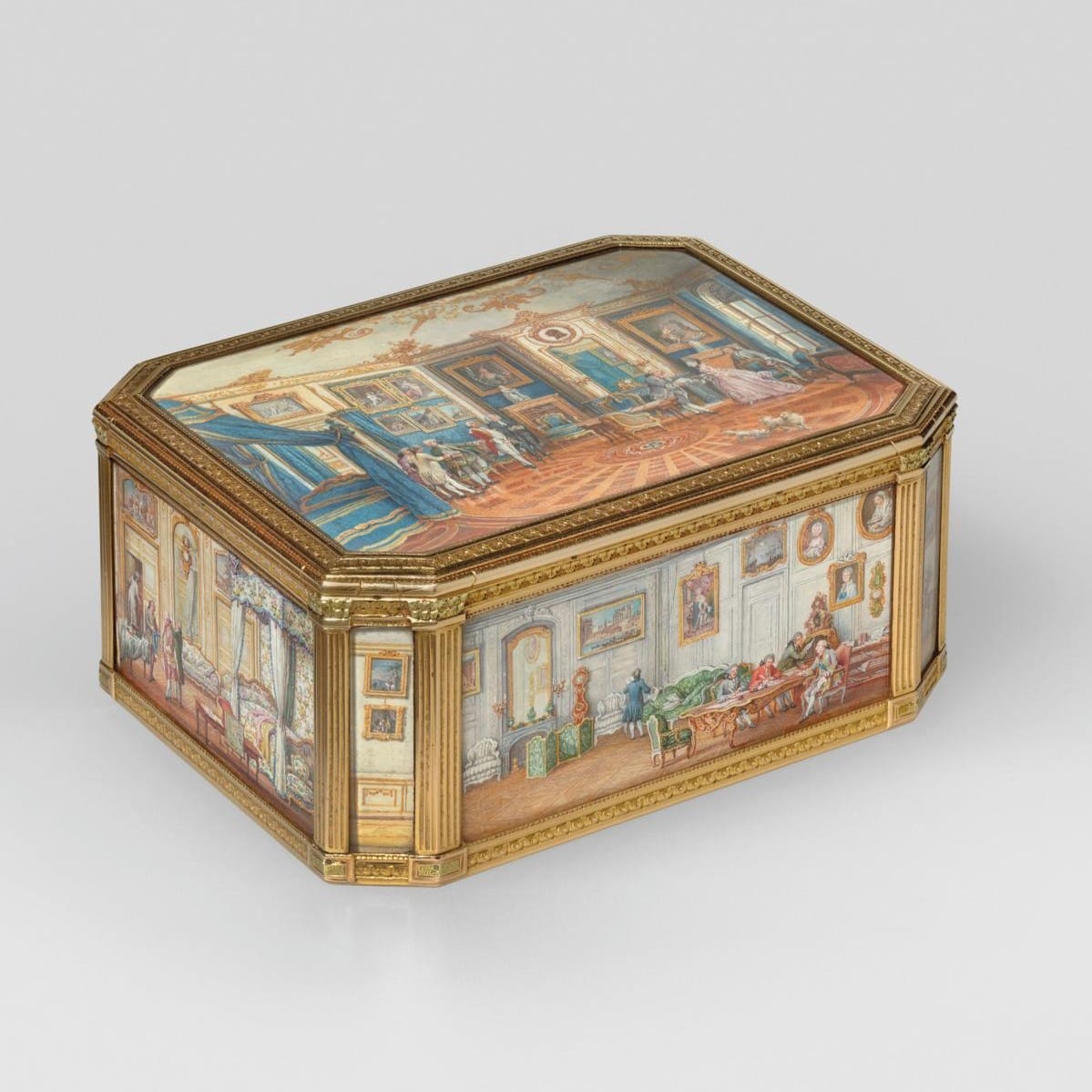
Two snuffboxes commissioned by the Duke are known today, both decorated with miniatures by Louis-Nicolas Van Blarenberghe.
The example now in the Louvre depicts three rooms of the Hôtel de Choiseul, two rooms from his ministerial apartments at Versailles, and the Grande Galerie of the Louvre. A second, now in the Metropolitan Museum of Art in New York, is devoted to the Château de Chanteloup, the Duke’s country residence, long since demolished.
The Louvre snuffbox stands apart in 18th-century miniature painting. Rarely — if ever — had a political figure of such standing been portrayed with such clarity within his own domestic and professional sphere. Choiseul appears as the assured statesman: engaged in affairs of state, yet at ease within the architectural settings that embodied his authority.
At the heart of the creative process
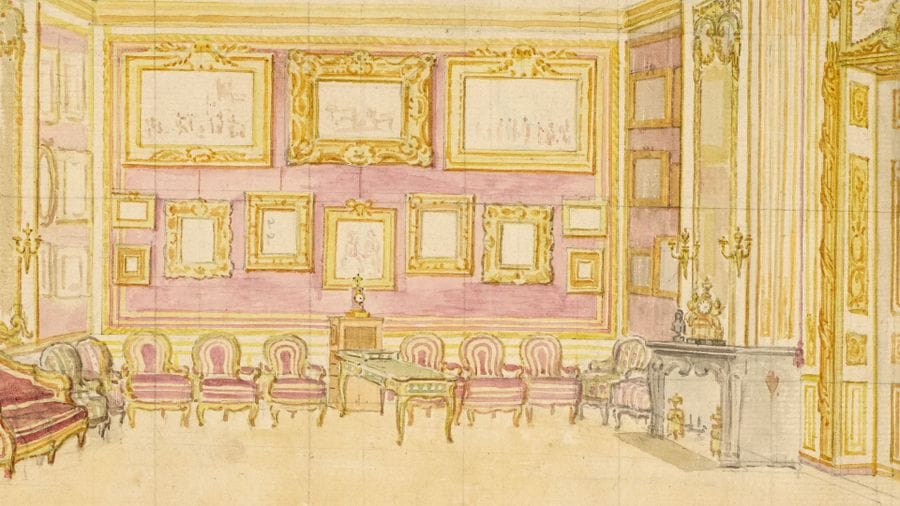
Although the exact circumstances of the commission remain unknown, the three preparatory drawings preserved in the album offer rare insight into Van Blarenberghe’s working method. They represent the Duke’s apartments at the Hôtel de Choiseul and at Versailles.
The Gallery of Paintings, Hôtel de Choiseul
This drawing shows the first cabinet on the ground floor, where the Duke displayed his collection. In the final miniature — enriched with figures — the scene was placed on the underside of the box.
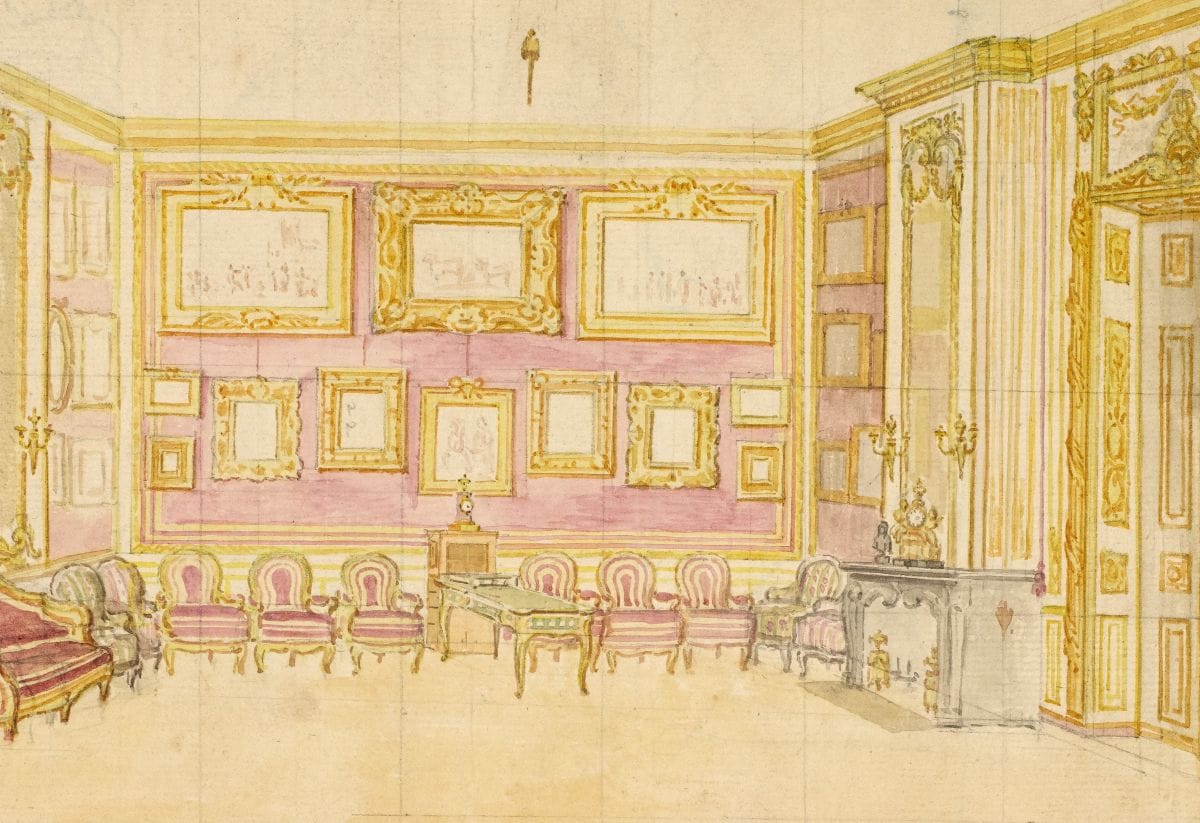
The Blue Room, Hôtel de Choiseul
Intended for the lid, this design depicts one wall of the richly decorated room in the right wing of the hôtel. In the finished miniature, the Duke receives a lady while a small group converses nearby, including the abbé Jean-Jacques Barthélemy, Keeper of the Cabinet des Médailles at the King’s Library.
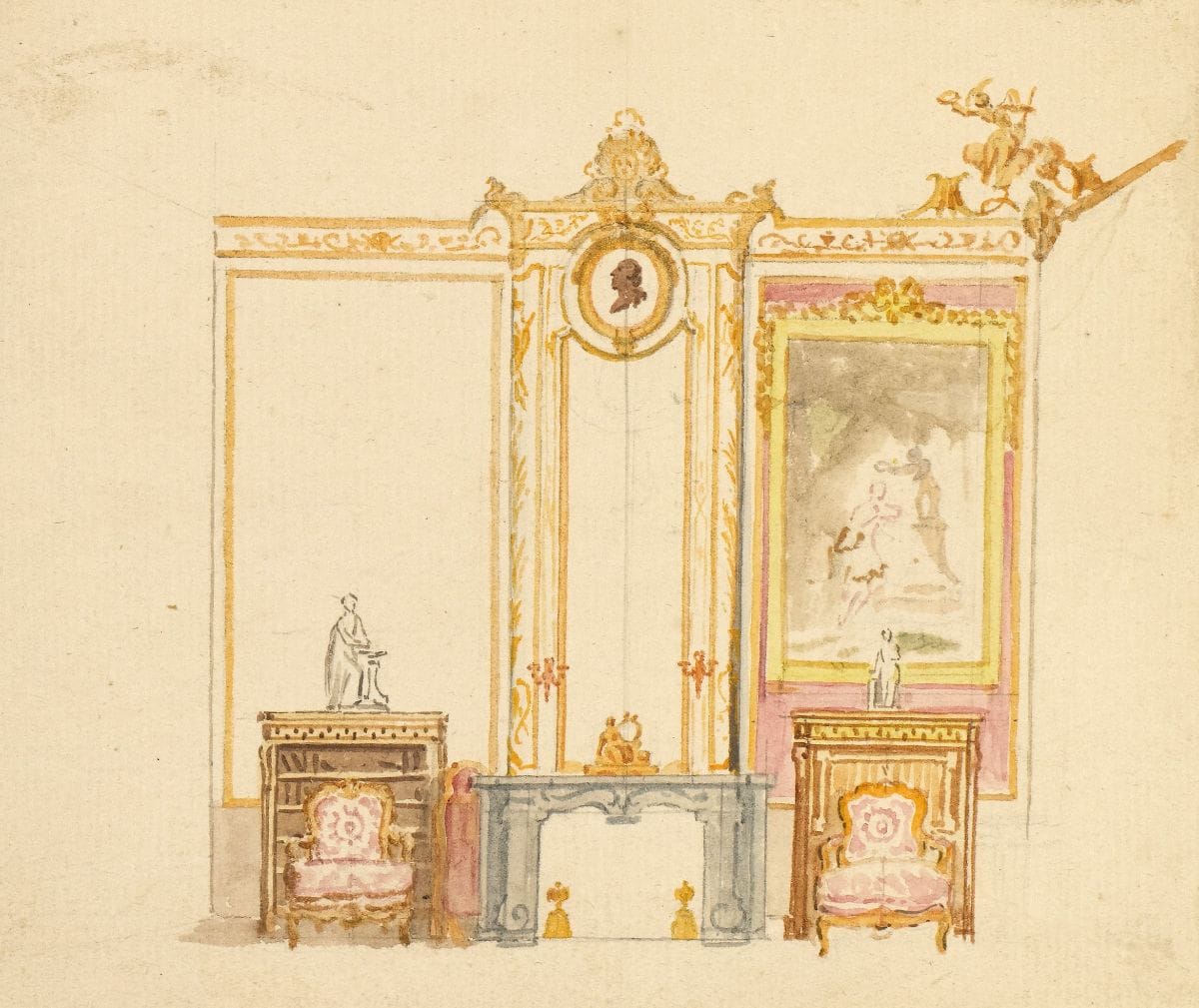
The Duke’s apartment at Versailles
For the front of the snuffbox, Van Blarenberghe chose to depict Choiseul’s study at Versailles. The completed miniature shows the minister dictating to two secretaries. The desk is the one he acquired in 1763, later owned by Talleyrand and subsequently by the Austrian Chancellor Metternich. On the walls hang portraits of Louis XV and Madame de Pompadour, the Duke’s patron and protector.
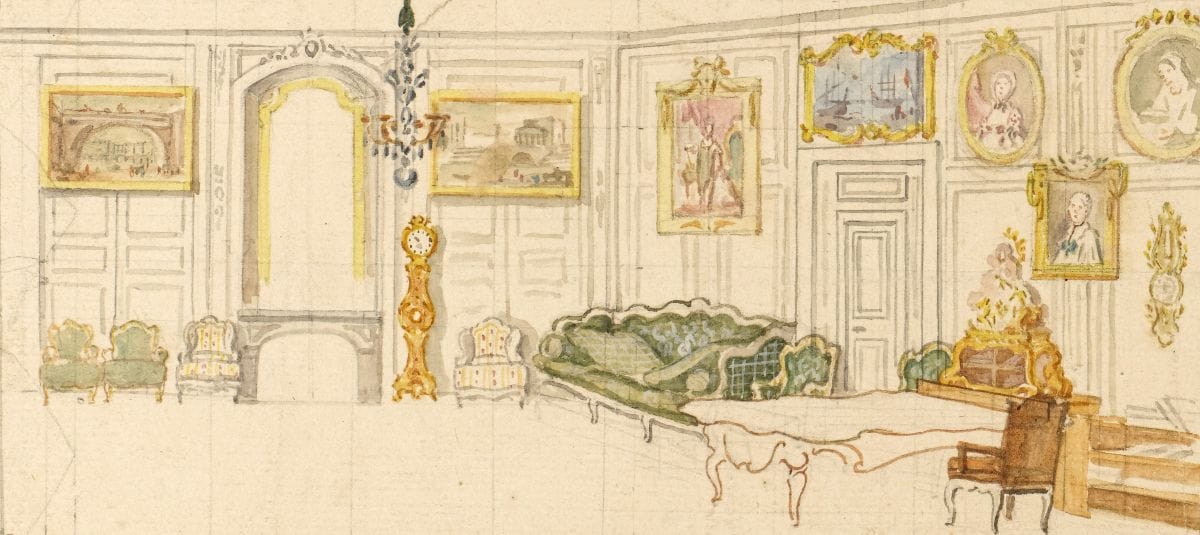
The album is accompanied by two autograph letters. The first, dated February 1922, records its descent within the Maillet family. The second, signed in 1874 by Henri-François-Alexandre Van Blarenberghe, attributes the drawings to Henri-Joseph and traces their lineage. The sheets were bound as an album in 1892 by Amélie Thiébaut Brunet.
The Van Blarenberghe: masters of gouache
Active over three generations, the Van Blarenberghe family of Lille — with Louis-Nicolas as its most celebrated member — ranked among the finest gouache painters of the 18th century. Patronised by princely clients across Europe, they produced miniatures for snuffboxes and other luxury objects, as well as paintings in every genre. From battle scenes to village festivities, from official ceremonies to everyday life, the Enlightenment emerges beneath their brush with striking precision and vitality.