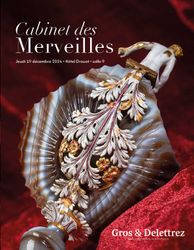
Two enameled treasures from the Renaissance period
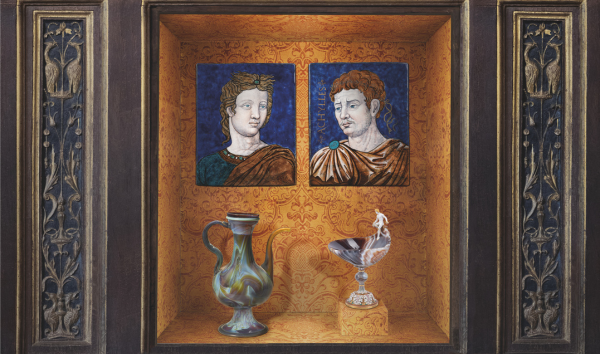
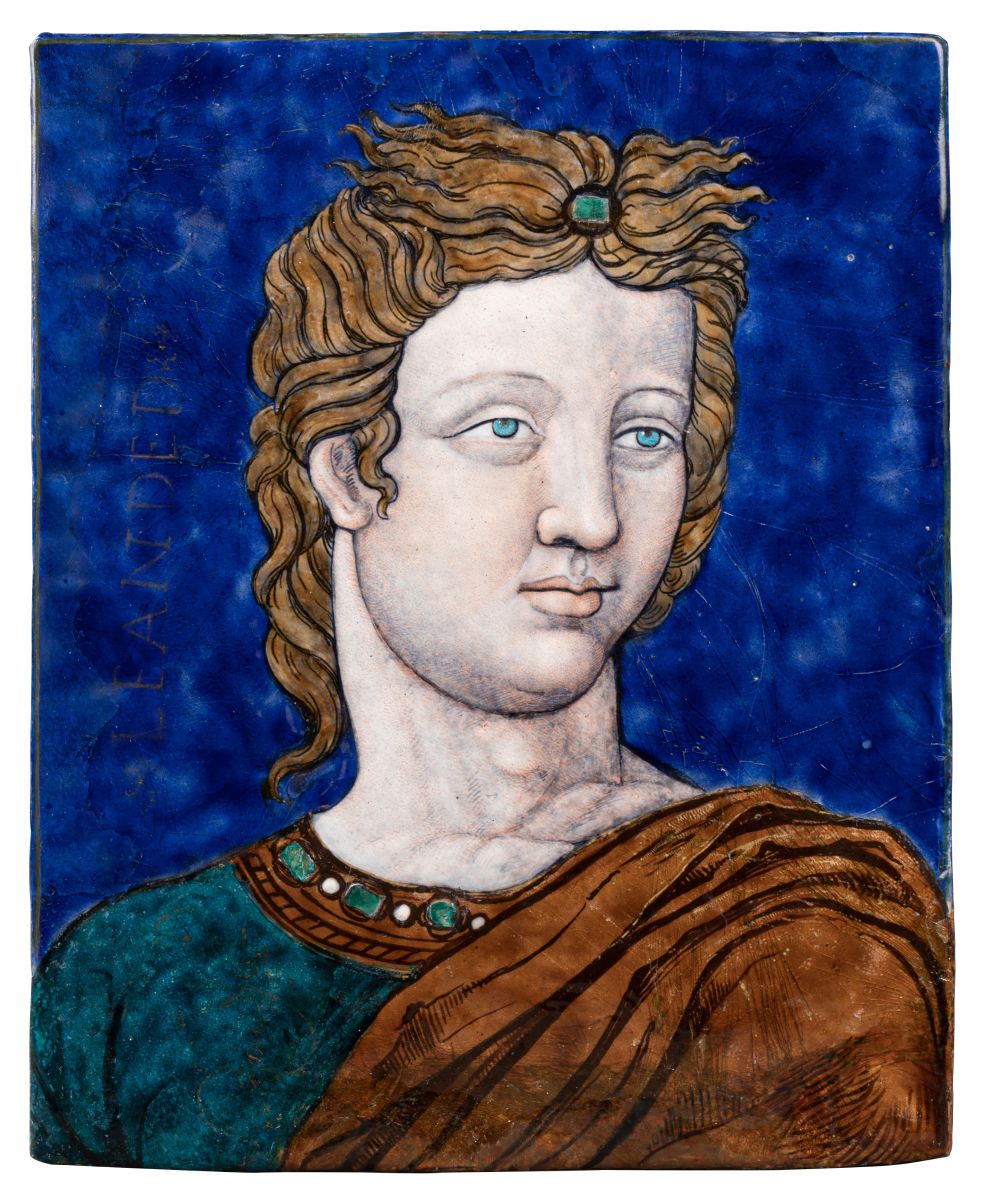
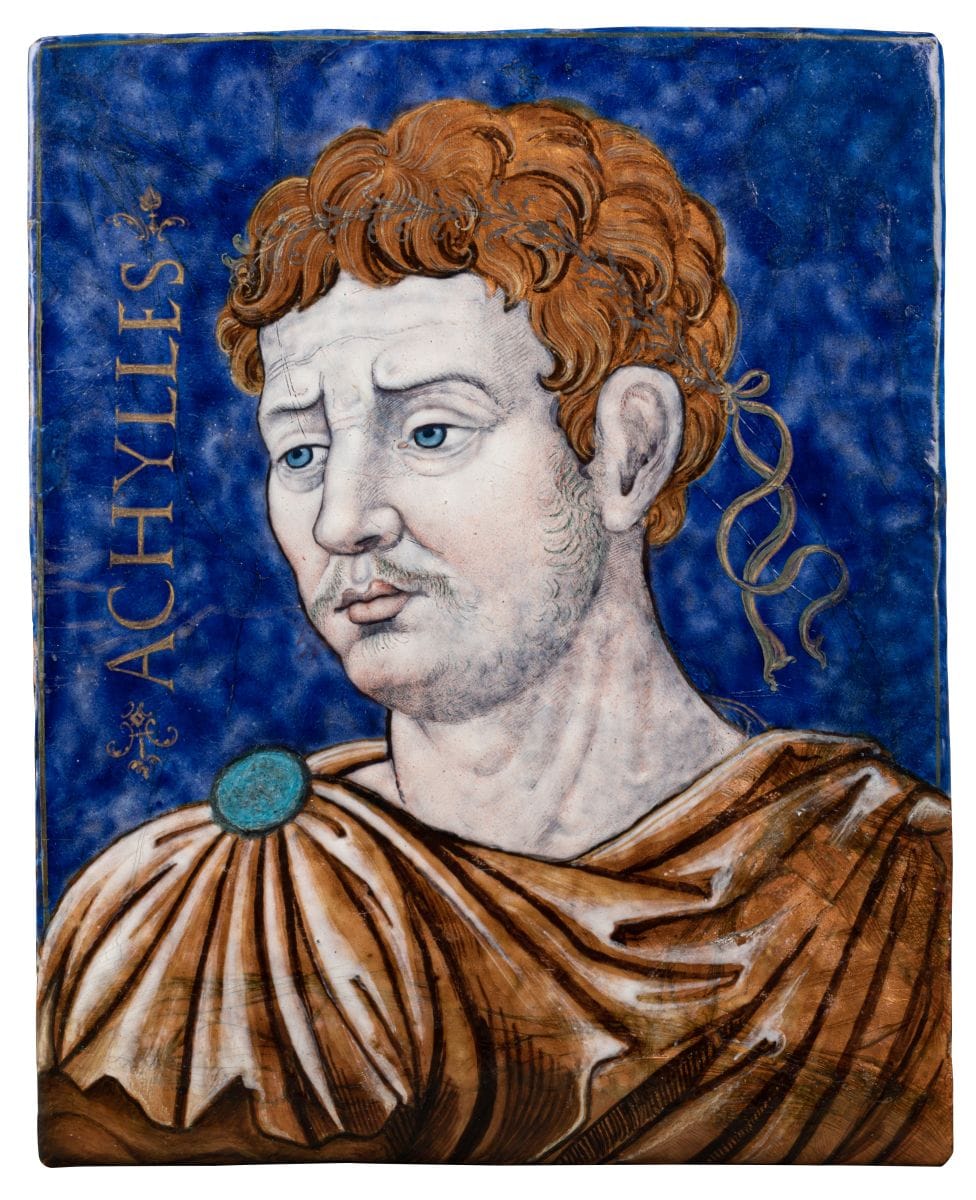
Achilles and Leander
Polychrome and translucent painted enamels with gold highlights on copper
30 x 26 cm
Limoges, circa 1564
Estimate: €150,000–200,000 per plaque
Two Rediscovered Enamel Plaques by Léonard Limosin
These two large rectangular plaques on a deep blue background depict figures inspired by Ovid’s Heroides, a literary masterpiece that deeply influenced Renaissance Europe. Created around 1564 by Limosin, the most talented enameller of the 16th century and a favored artist of the French court, the plaques may have been a gift to Catherine de’ Medici from Louise de Clermont, one of her closest confidantes, as suggested by Thierry Crépin-Leblond and Stéphanie Deprouw in the catalog for the 2010 exhibition From Letter to Enamel: Léonard Limosin Interprets Ovid at the Musée National de la Renaissance in Écouen.
Alternatively, the queen herself, a great admirer of Limoges enamels, may have commissioned them. At her death, her inventory listed 259 enamel pieces, attesting to her passion for this refined art form. The series explores themes of abandonment and romantic solitude, resonating with Catherine’s own life as the inconsolable widow of Henry II. The Heroides plaques likely adorned the paneled walls of the "Cabinet des Émaux" in her Parisian residence, designed from 1570 by architect Jean Bullant (now the site of the Bourse de Commerce, where only the “Medici Column” survives).
Ovid’s Heroides: Achilles and Leander
In the Heroides, Ovid pioneered an epistolary style, presenting fictional letters written by mythological or historical women, often lamenting the absence or indifference of their lovers. This innovative poetic work enjoyed growing acclaim, influencing European art and literature from the late Middle Ages through the Renaissance. With the rise of Humanism, the Heroides was widely disseminated, even surpassing the number of editions of Ovid’s celebrated Metamorphoses.
Limosin’s series, created around 1564, reflects this fascination with Ovid’s work among Renaissance intellectuals and the humanist spirit of the era, which celebrated the universality of human emotions. Each plaque in the series, similar in size and set against a blue background, depicts bust-length portraits of characters dressed in a mix of antique and contemporary styles.
The plaques on offer depict Achilles and Leander, each embodying ideals of courage, passion, and tragedy. Achilles, the hero of the Trojan War, falls in love with Briseis, a captive of Troy. Their relationship ignites the Iliad’s opening conflict when Agamemnon, leader of the Greeks, forces Achilles to give up Briseis, prompting Achilles to withdraw from battle and triggering a chain of tragic events in Homer’s epic. Leander, in contrast, swims nightly across the Hellespont to be with his beloved Hero, a priestess of Aphrodite, until he tragically perishes in a storm.
A Prestigious Provenance
In 1981, the plaques resurfaced at a Sotheby’s auction in New York and have since been held in a European private collection. Today, of the original 32 plaques, 17 survive: 13 are in French public collections (notably the Musée National de la Renaissance in Écouen, which acquired the plaque of Paris during the Yves Saint Laurent and Pierre Bergé sale at Christie’s in 2009 and the plaque of Ulysses in 2012), 2 are housed in the Walters Art Museum in Baltimore, and the remaining 2—these—are the last known examples in private hands.