
Published on November 5, by Sophie Bernard 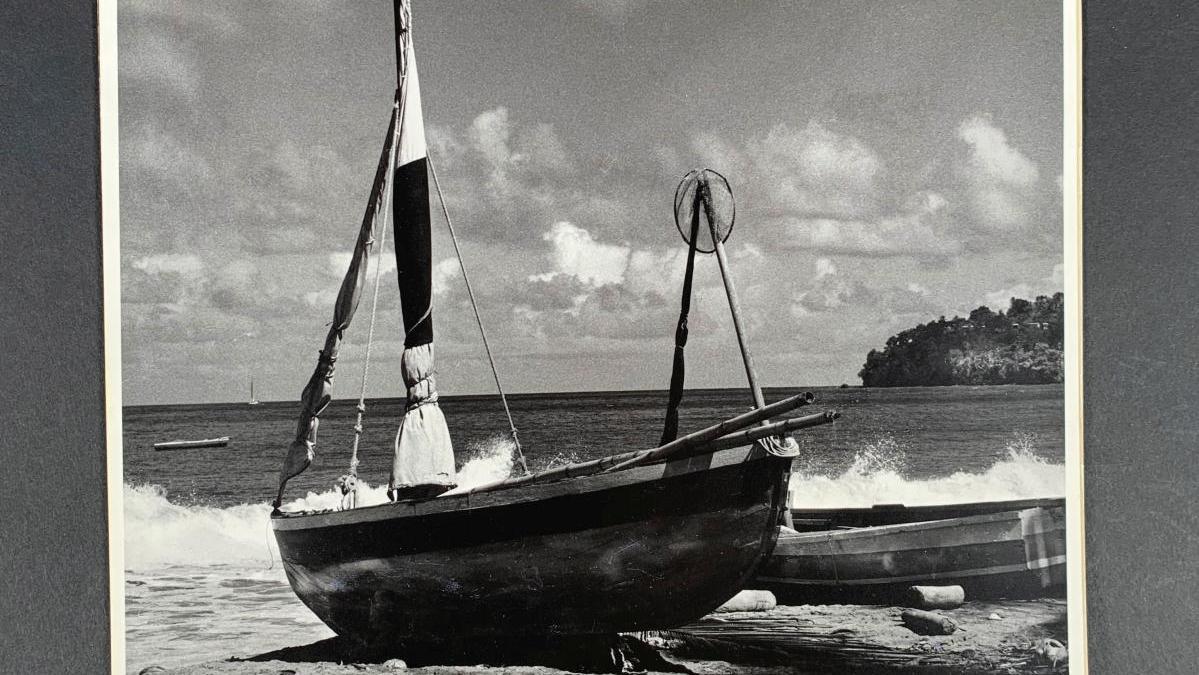
Photographer Paul Strand as Seen Through the Collection of the Friends of Orgeval
T his unusual yet iconic collection by Paul Strand, a master of black-and-white composition, offers a overview of his career through 150 photographic prints and 80 heliogravures.
Paul Strand, who died exactly fifty years ago, created a body of black-and-white work inspired by his travels and his personal life over more than six decades, establishing him as a major figure in 20th-century photography. A photographer of modernity and a politically engaged filmmaker, he navigated the last century by seeking in faces, landscapes, and human communities far more than mere subjects. Born in 1890 in New York to a family of Jewish immigrants from Central Europe, he discovered the social impact of the medium at the age of 17 through the photographer and sociologist Lewis Hine, who was his teacher at the Ethical Culture School (New York). Paul Strand quickly realized that the still camera—and the motion picture camera—were effective tools for advancing a political cause. This did not prevent him from viewing photography as an art form in its own right, which was unusual and ahead of its time. From the very beginning, in fact, another encounter proved pivotal: his meeting with Alfred Stieglitz, who— through Gallery 291 and the magazine *Camera Work*, both dedicated to the medium —was a pioneer in the field. Comprising
The rest is reserved for Gazette Drouot subscribers. Already subscribed? Log in , and read the full article on the Gazette Drouot website.
Want to read more? Subscribe to Gazette Drouot!
- All the art market news every week in your mailbox... and on all your digital devices!
- Unlimited access to auction results
- All from €10.50 per month!


