2026年7月17日星期五 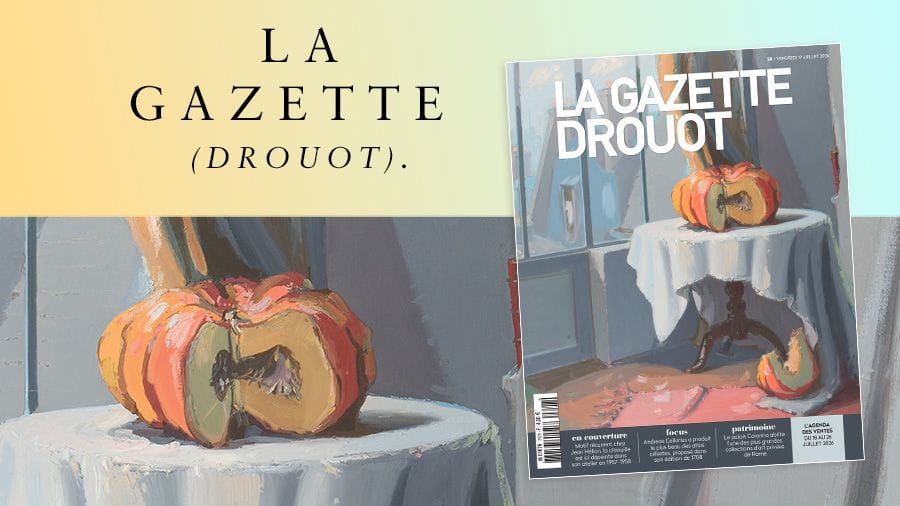
This week in La Gazette Drouot: A Pumpkin Painted by Jean Hélion in His Studio
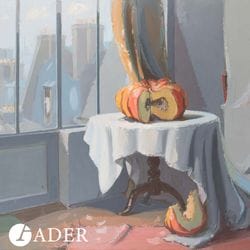
I n this “poetry of the object” developed by Jean Hélion in the 1950s, the pumpkin holds a special place. This painting from the collection of Marie-José Lefort provides further evidence of that.
By Caroline Legrand
Read the full version of "A Pumpkin Painted by Jean Hélion in His Studio" in La Gazette Drouot
In one of his notebooks, Jean Hélion recounts a night out in 1925, during which he brought home a pumpkin from Les Halles. He was deeply fascinated by it, especially when, armed with a kitchen axe, he split it open.
Nevertheless, it wasn’tuntil the late1940s that this cucurbit—an emblem of the fall season and a Dionysian symbol—became the protagonist in his paintings. Its warm color, complex and sculptural forms, and stringy flesh make it a particularly vibrant and sensual fruit, but also an ideal subject for formal exploration.
In 1957–1958, Hélion painted a series of interior scenes, portraits of his wife Pegeen, and still lifes such as The Pumpkin in the Studio.
His last abstract works date back to 1939: in the 1940s, he began a return to a style that was still influenced by Cubism, before achieving greater, almost Expressionist freedom in the decade under consideration.
Nevertheless, it wasn’tuntil the late1940s that this cucurbit—an emblem of the fall season and a Dionysian symbol—became the protagonist in his paintings. Its warm color, complex and sculptural forms, and stringy flesh make it a particularly vibrant and sensual fruit, but also an ideal subject for formal exploration.
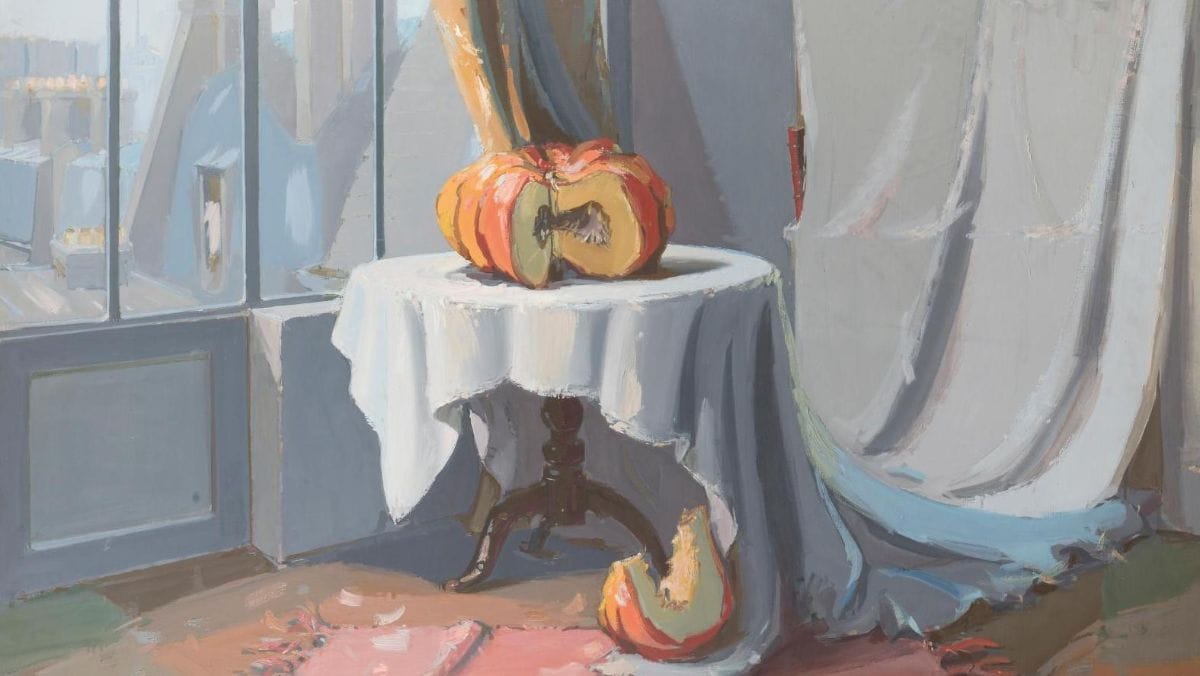
In 1957–1958, Hélion painted a series of interior scenes, portraits of his wife Pegeen, and still lifes such as The Pumpkin in the Studio.
His last abstract works date back to 1939: in the 1940s, he began a return to a style that was still influenced by Cubism, before achieving greater, almost Expressionist freedom in the decade under consideration.

Discover a world of art and auctions with La Gazette Drouot
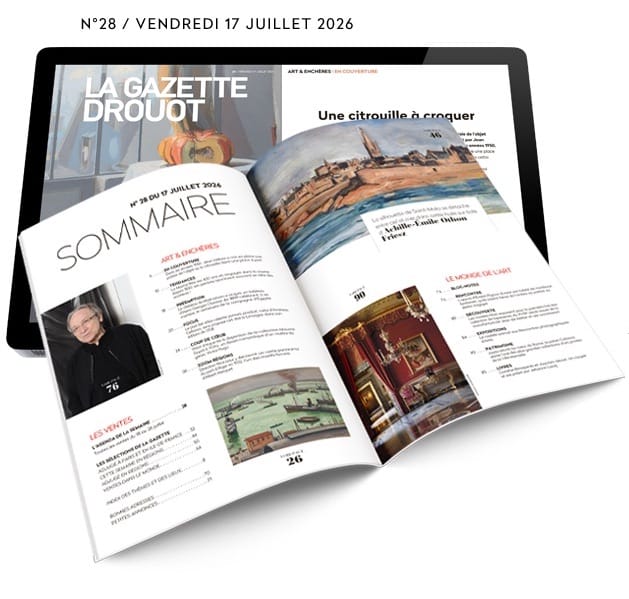
Every week, since 1891, La Gazette Drouot has been the authoritative weekly for public auctions of furniture, paintings and objets d'art. Our issues published contain thousands of articles which explain, decipher and analyse objects as well as their market, while others give leading figures a forum for sharing their passion. And not forgetting the cultural news, enlightened by in-depth articles on diverse subjects, often published for the first time.
You too can enjoy this wealth of information and images by picking up La Gazette Drouot.
You too can enjoy this wealth of information and images by picking up La Gazette Drouot.