DIENSTAG, 17. FEBRUAR 2026 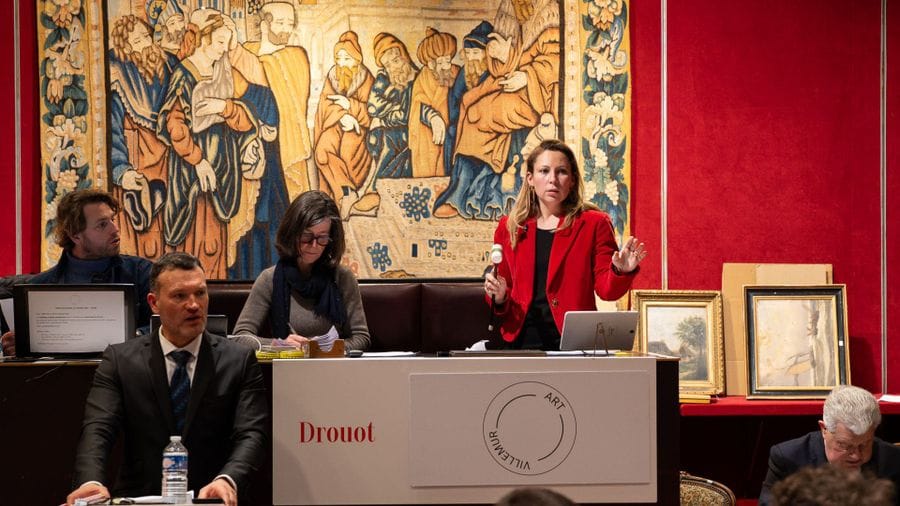
Unpublished Géricault Achieves €496,650 at Drouot
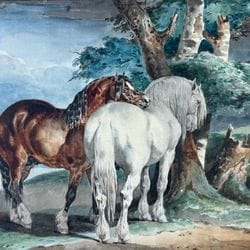
O n 17 February at Hôtel Drouot, Villemur Art caused a sensation with the sale of a previously unpublished drawing by Théodore Géricault, Chevaux au pâturage. Estimated at €20,000 – 30,000, the work achieved €496,650 – more than sixteen times its high estimate.
Executed in pen and black ink with watercolour, the drawing, formerly in the C. du Soulier collection, was rediscovered during an inventory and had remained in the same family by descent. The motif of horses, central to Géricault’s oeuvre, finds here an expression of singular intensity. Two horses in a meadow emerge within a nocturnal landscape, beside two trees, beneath a sky heavy with dark clouds. Subtle lighting and a cool, bluish palette imbue the scene with a distinctly Romantic atmosphere and a faint sense of the uncanny.
The study may be compared with the painting held at the Musée des Beaux-Arts de Dijon, also entitled Chevaux au pâturage, as well as with the lithograph Chevaux flamands dated 1822. While variations may be observed in the position of the white horse’s neck – raised in the drawing, lowered in the painting and lithograph – and in the treatment of the two trees, the iconographic relationship remains unmistakable.
A leading figure of French Romanticism, an admirer of Jean-Auguste-Dominique Ingres and Raphael before emerging as the standard-bearer of a new pictorial sensibility, Géricault embodied the tensions of his time. The author of the celebrated Le Radeau de la Méduse, exhibited at the Salon of 1819, he did not live to witness the full recognition of his talent. His spirited horses, majestic lions and compelling portraits continue to inspire collectors today, as this remarkable result so powerfully demonstrates.