Major Figures of Modern Art: From Picasso to Chagall
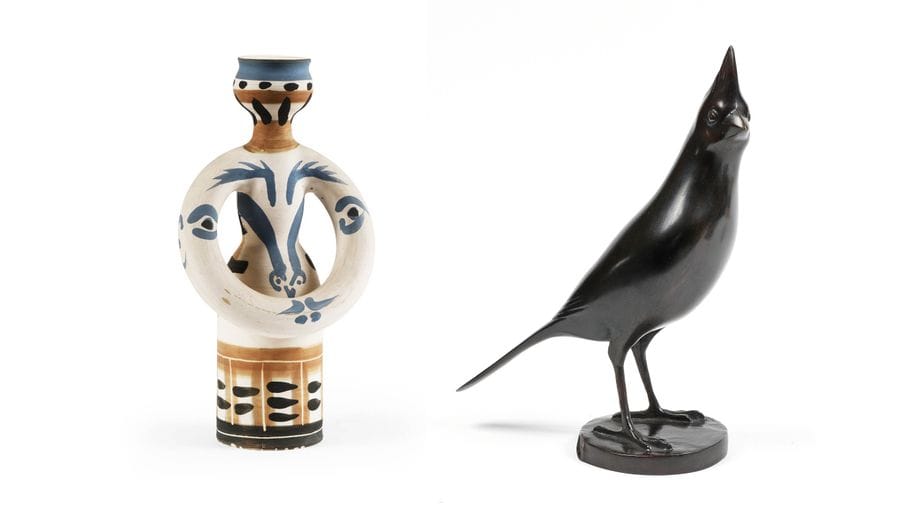
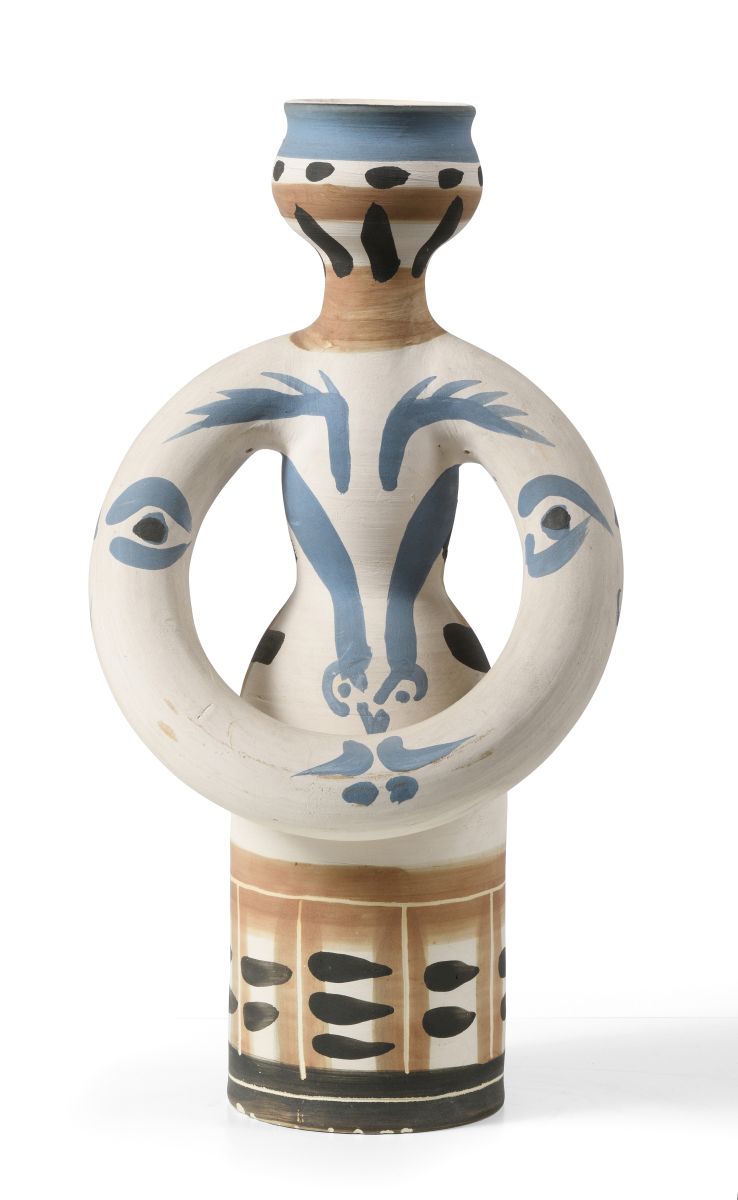
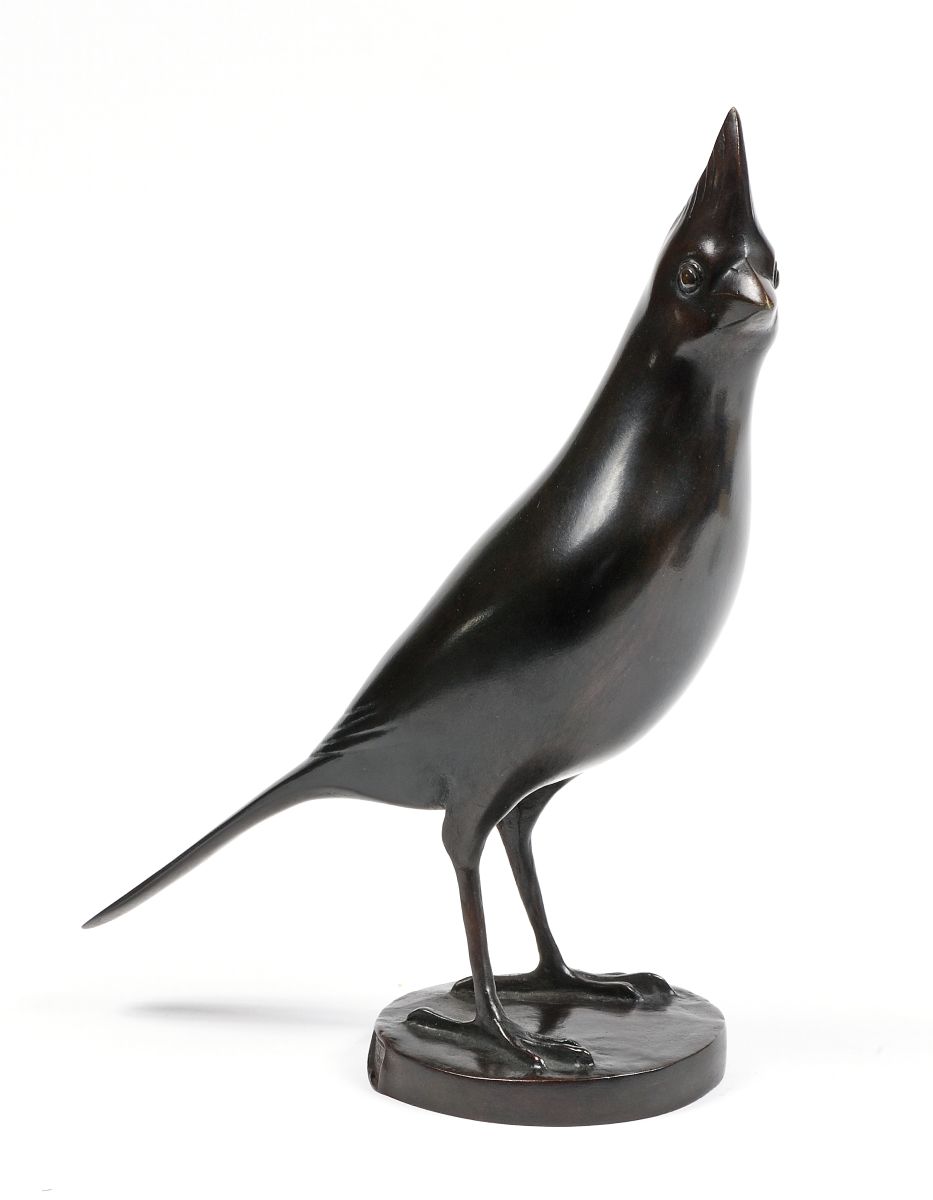
The artistic journey of Charles Artus began in Paris, in the studio of animal sculptor Édouard Navellier. However, the artist quickly broke away from his mentor’s naturalist influence, becoming the assistant and studio head (massier) of François Pompon. He immediately joined Les XII, the group founded by Pompon in 1931, and took part in all the major exhibitions dedicated to animal sculpture. Following in the footsteps of the renowned creator of Ours blanc, Artus embraced his mentor’s simplified aesthetic—evident in the rounded modelling and smooth surface of Cardinal rouge huppé, estimated at €9,000–10,000.
Adorned with a rich, nuanced brown patina, Charles Artus’ signature style is distinguished by a more subtle expression of animal psychology. In his studio on rue de Vaugirard, the artist devoted his work to small animals, especially birds, whose soft curves naturally lent themselves to stylisation.
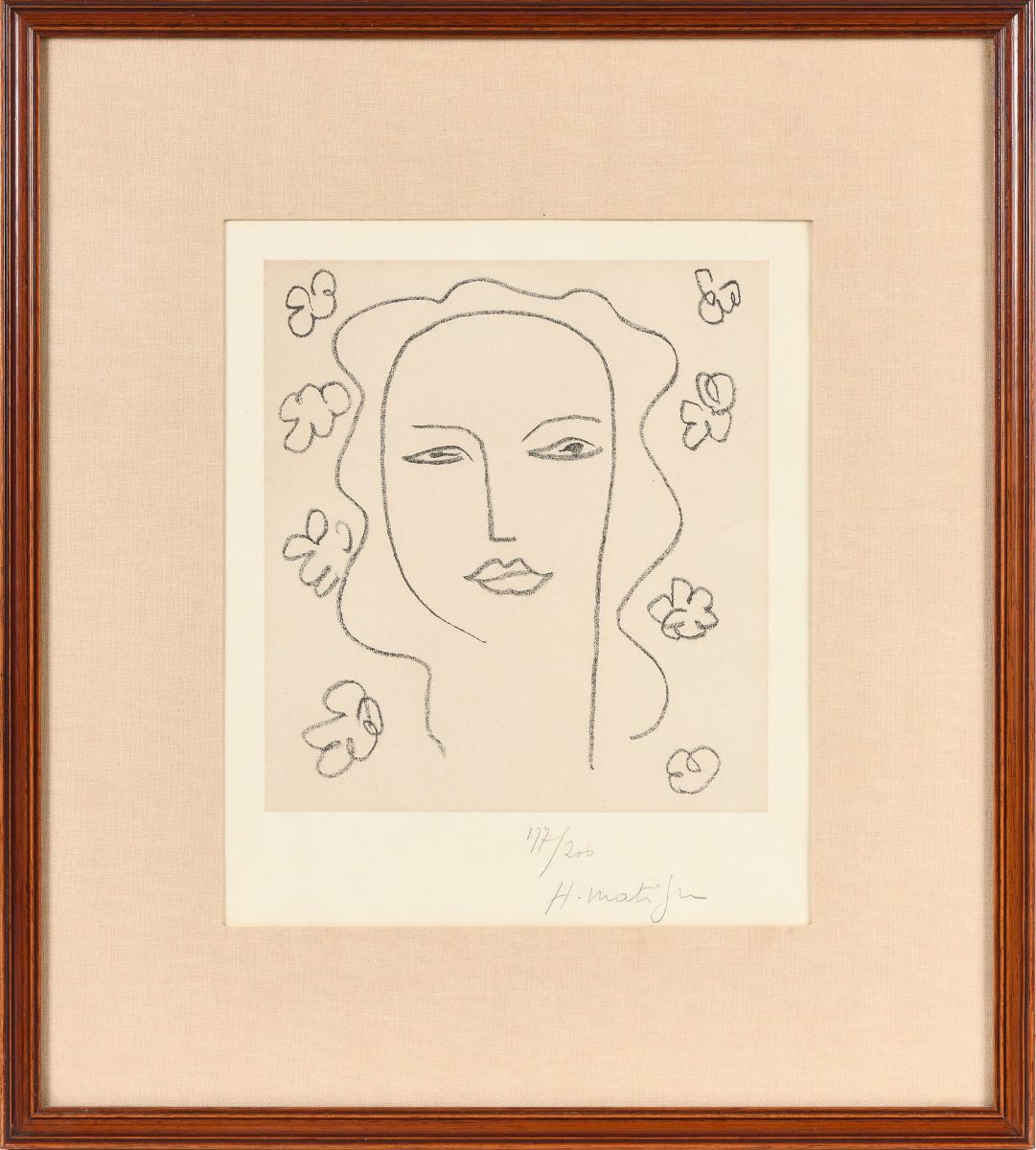
A lithograph on China paper, this time, will catch our eye. Created between 1950 and 1951, Madeleine, étude is estimated at €1,000–1,500. Echoing Gustave Moreau’s remark that his student would one day “simplify painting,” Matisse offers here the portrait of a woman sketched in just a few pencil strokes.
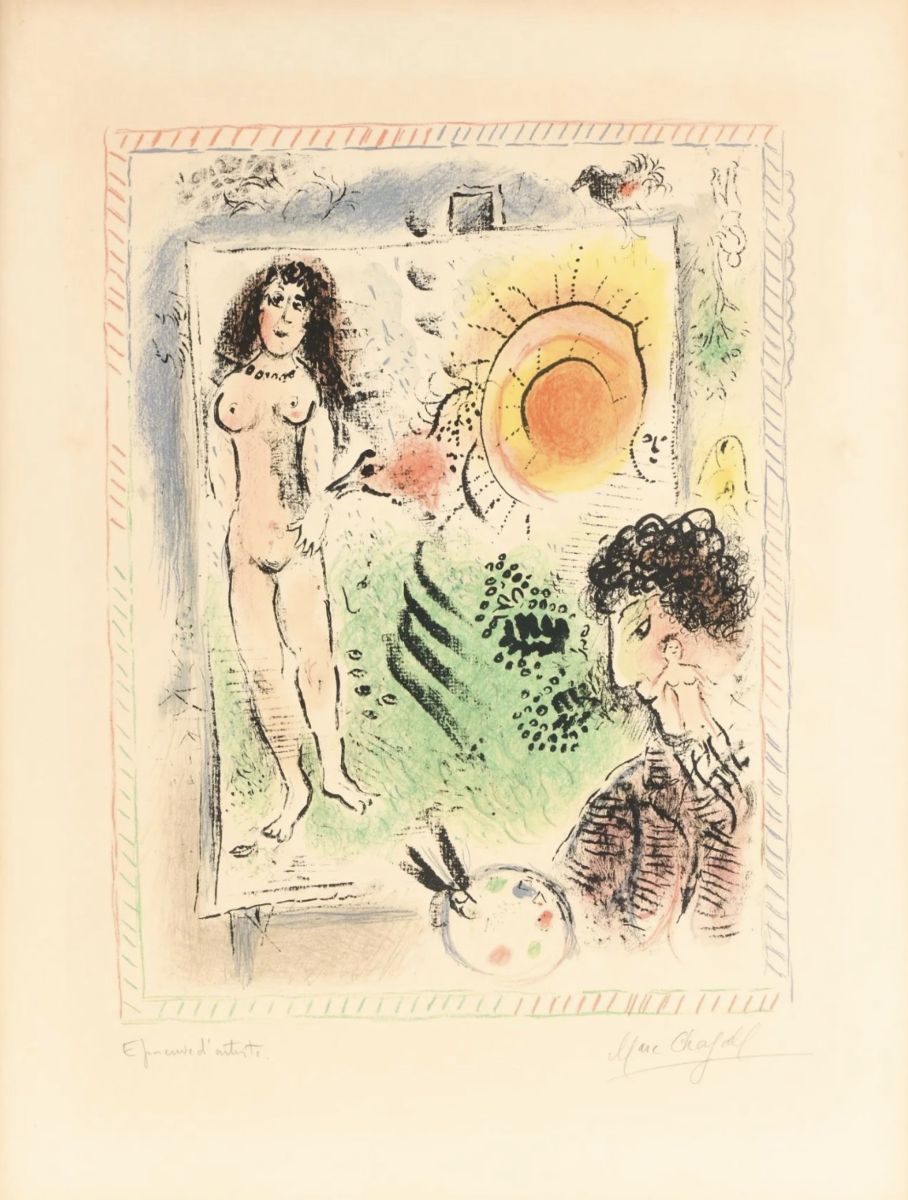
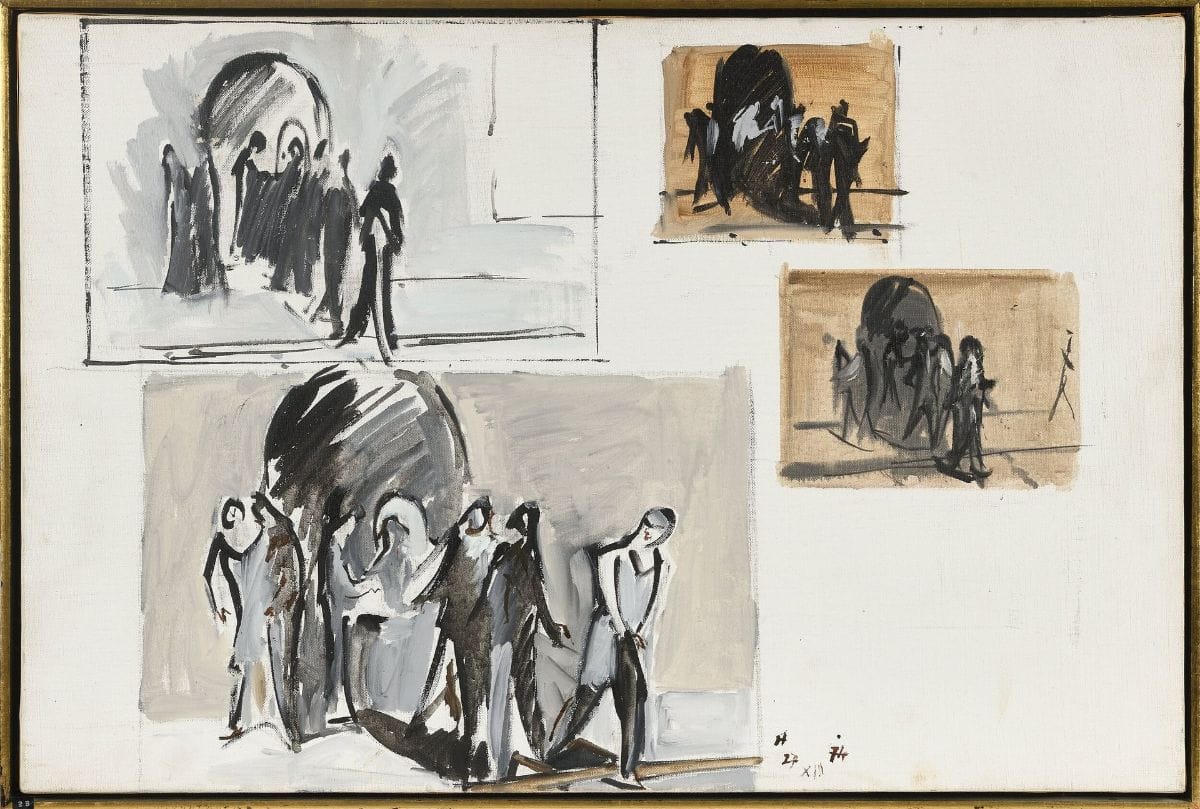
Another delightful highlight is a color lithograph on paper by Marc Chagall, titled Le soleil de l’atelier and dated 1971 (est. €3,000–5,000). Jean Hélion will also be featured through lot 239, Les sorties, comprising four acrylic compositions on a large canvas, depicting one of the artist’s favorite themes: street scenes (est. €2,500–3,500).