MITTWOCH, 11. JUNI 2025 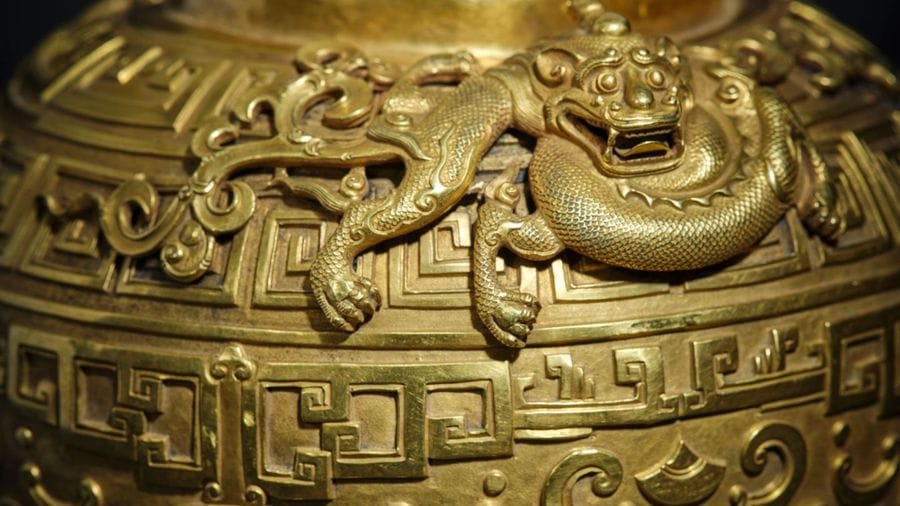
Also from the Qing dynasty, a precious gold baluster vase immediately catches the eye. Its repoussé decoration features mythological creatures such as taotie masks and pixiu, showcasing the exceptional craftsmanship of Qing-era goldsmiths. (Estimate: €60,000–80,000)
Also noteworthy is a portable altar in gilt bronze and copper depicting the Swayambhunath stupa of Kathmandu. The provenance of this Sino-Tibetan artist’s work is identifiable from its decoration, showing the sanctuary atop a hill with a steep staircase carved into it, flanked by two shikara-style temple towers, and featuring monkeys. On the reverse is a finely engraved depiction of Mahakala Panjarnata (protector of the tent) above the Qianlong mark in zhuanshu script (estimate: €20,000–30,000).
From the same region, a superb gilt bronze figure represents Amitayus, seated on a lotus-shaped pedestal (estimate: €40,000–60,000).
Remarkable Qing Dynasty Artifacts to Shine at Tessier & Sarrou June Sale
O n June 11th, Tessier & Sarrou will unveil a remarkable collection of imperial objects, testifying to the extreme refinement and rich symbolism of decorative arts under the Qing dynasty (1644–1912)..
A gilt bronze cloisonné footed cup from the Qianlong period (1736–1795) draws particular attention. Decorated with cloisonné enamels, it features stylised lotuses—symbols of purity and awakening—lucky bats (a homophone for "prosperity," fú), and ruyi pendants, emblems of longevity (estimate: €8,000–10,000).
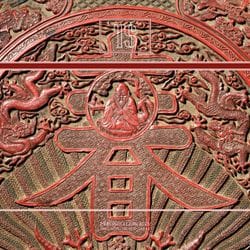
Another highlight is a circular imperial lacquer box, notable for its dense iconography. Adorned with the character “Chun” (spring), symbolising renewal, it is topped by Shoulao, the god of longevity, flanked by two five-clawed dragons soaring amidst clouds, and framed by a scrollwork border (estimate: €50,000–60,000).
Another highlight is a circular imperial lacquer box, notable for its dense iconography. Adorned with the character “Chun” (spring), symbolising renewal, it is topped by Shoulao, the god of longevity, flanked by two five-clawed dragons soaring amidst clouds, and framed by a scrollwork border (estimate: €50,000–60,000).

Also from the Qing dynasty, a precious gold baluster vase immediately catches the eye. Its repoussé decoration features mythological creatures such as taotie masks and pixiu, showcasing the exceptional craftsmanship of Qing-era goldsmiths. (Estimate: €60,000–80,000)

Also noteworthy is a portable altar in gilt bronze and copper depicting the Swayambhunath stupa of Kathmandu. The provenance of this Sino-Tibetan artist’s work is identifiable from its decoration, showing the sanctuary atop a hill with a steep staircase carved into it, flanked by two shikara-style temple towers, and featuring monkeys. On the reverse is a finely engraved depiction of Mahakala Panjarnata (protector of the tent) above the Qianlong mark in zhuanshu script (estimate: €20,000–30,000).
From the same region, a superb gilt bronze figure represents Amitayus, seated on a lotus-shaped pedestal (estimate: €40,000–60,000).