Francis Picabia: A Visionary’s Journey through Modernity
From Impressionism to Abstraction

Between 1904 and 1905, under the influence of the Barbizon school as well as Sisley, Monet and Pissarro, Picabia fully embraced this aesthetic, producing numerous works that were well received by both critics and collectors. Yet even then, he was already looking elsewhere. In 1908, after meeting the musician and avant-garde figure Gabrielle Buffet — whom he would later marry — he began to question his artistic direction. A tireless explorer, he moved towards abstraction, embraced modernity, briefly aligned himself with the Dada movement, and moved within the most innovative artistic circles.
Transparencies: An Art of Superimposition
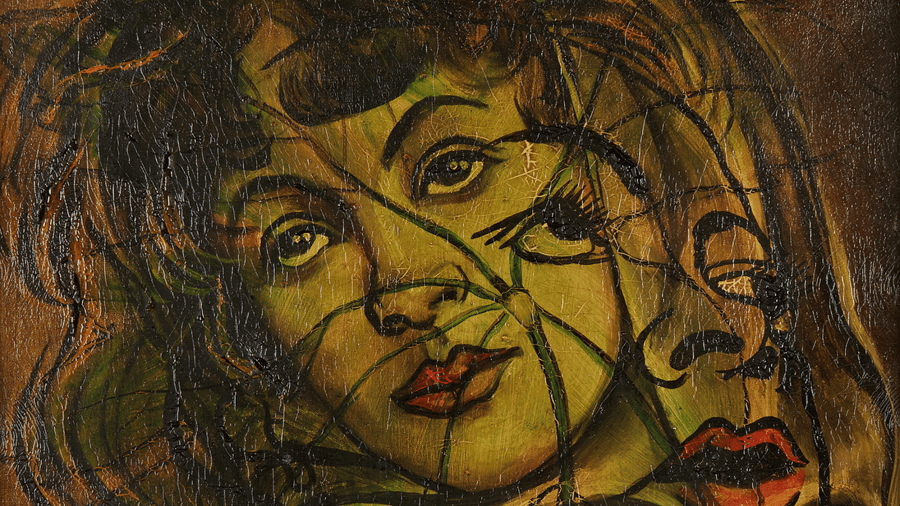
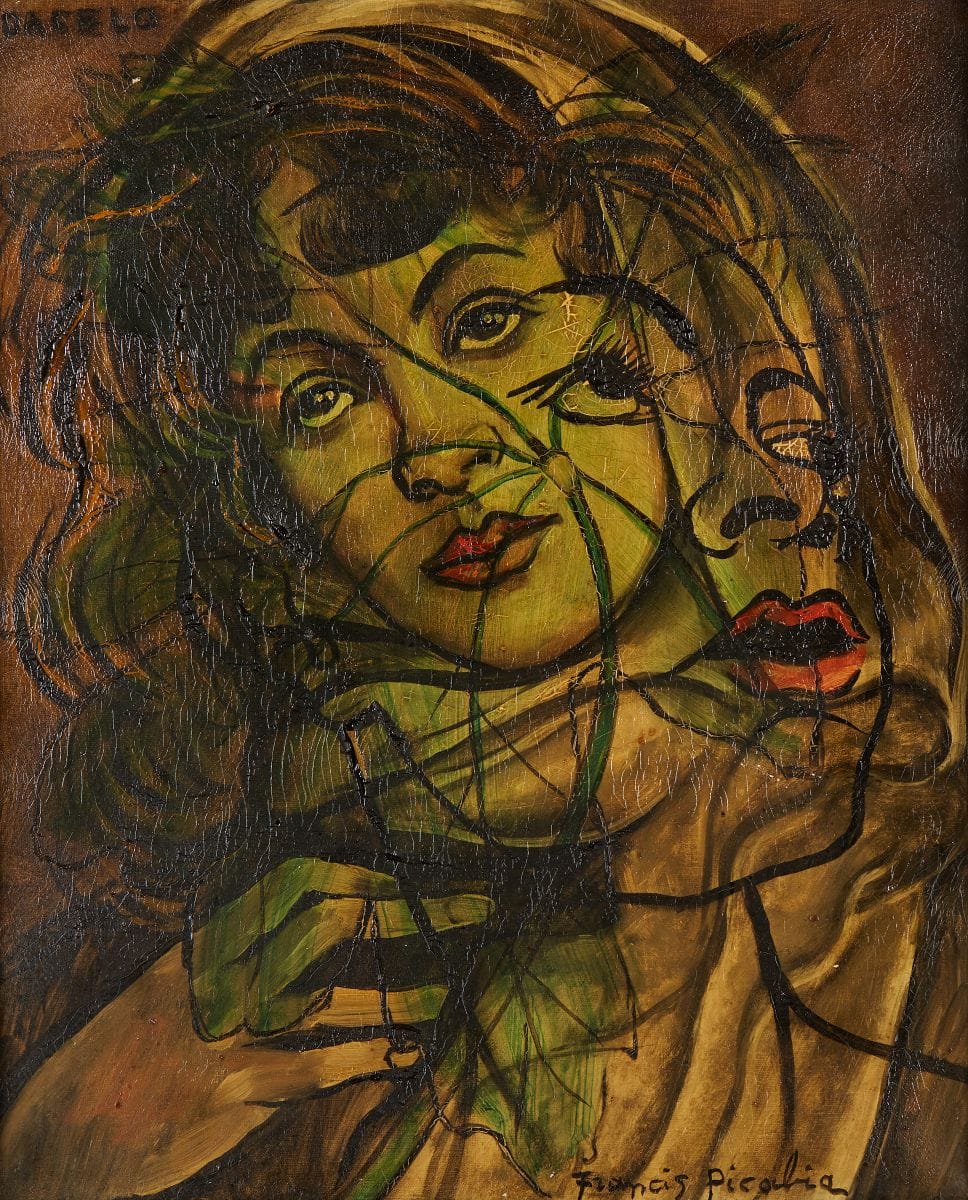
In 1927, Picabia entered a new phase of his work with the Transparencies series. In these enigmatic compositions — described as “over-impressionist” by critic Gaston Ravel — motifs are layered like strata of memory and imagination, combining female figures with antique, mythological, and religious references.
Several works from the Lenoir collection belong to this fascinating body: Transparence (1929, €30,000–50,000), Dagelo (1930–1932, €100,000–150,000), and a Nature morte (estimate: €20,000–30,000). The group is led by a superb Apollon (1926, estimate: €120,000–180,000), where one can discern the outlines of a female nude, a shadowy rendering of the Belvedere Apollo, and a head with a solemn expression.
This period coincides with a series of personal upheavals. Following his separations from Gabrielle Buffet and Germaine Everling, Picabia married Olga Mohler in 1940. His final works saw a return to abstraction, with small canvases featuring geometric compositions and realistic motifs, such as a Still life with flowered vase, circa 1941–1942 (estimate: €15,000–20,000).
Gérard Lenoir (1930–2024): The Discreet Eye of a Passionate Collector
Born in Touraine in 1930, Gérard Lenoir grew up at the Château de Gizeux, where his parents were stewards, before moving to Paris to train as a hairdresser. By the late 1950s, he was styling the stars of the day — including Catherine Deneuve and Bella Darvi — under the professional name François.
Based in Paris, Lenoir moved in artistic circles both professionally and privately. It was during one of these encounters that he befriended Olga Picabia, the artist’s widow since 1953 and a regular client of his salon.