Imperial Porcelain, Buddhist Sculpture and Court Jades at Drouot
Presented by several auction houses, these sales reflect the richness and diversity of Asian cultures and artistic traditions, spanning Greco-Buddhist Gandhara, the refined arts of the Qing imperial court, Tibetan tantric imagery and the miniature virtuosity of Edo-period Japan.
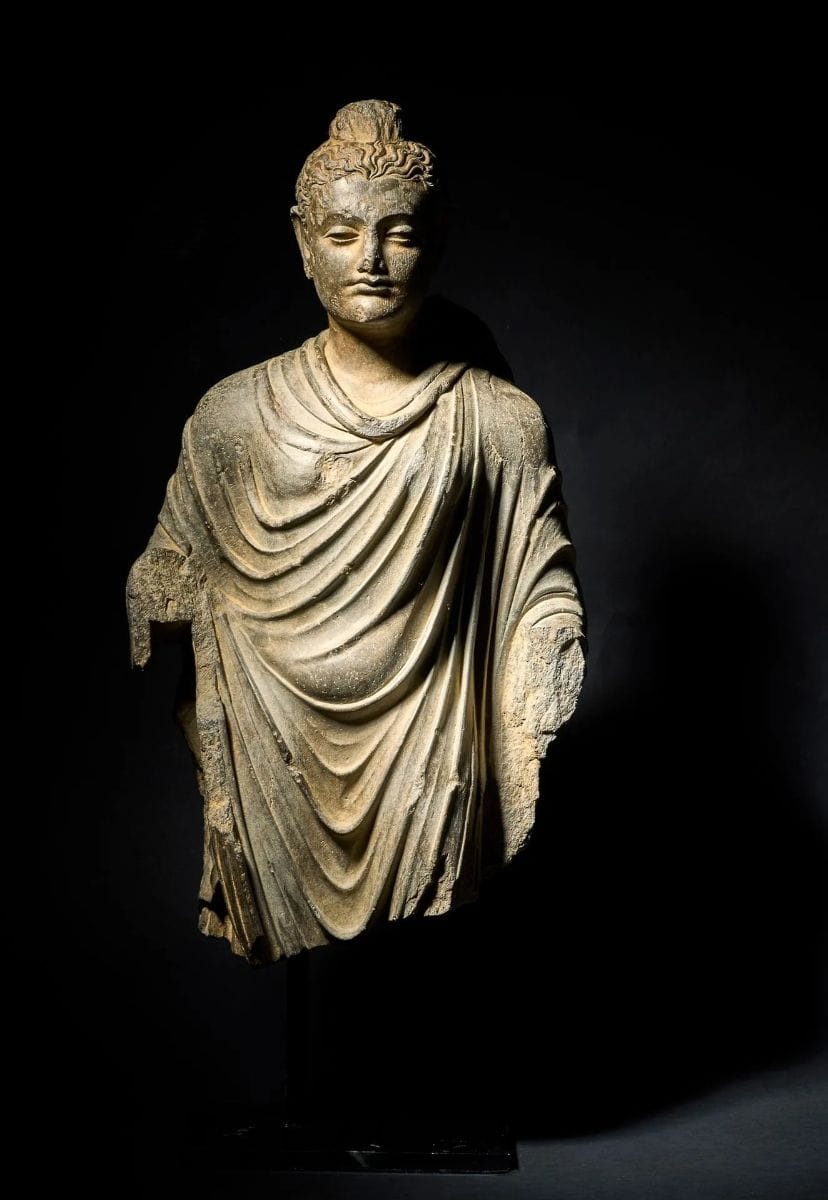
Among the highlights is an important fragmentary Gandharan sculpture dating from the 2nd to 4th centuries, offered by Tessier & Sarrou on 9 June. Carved in grey schist, the standing Buddha — draped in robes inspired by Hellenistic aesthetics — exemplifies the artistic exchanges between the Greek and Buddhist worlds in this region bordering present-day Afghanistan and Pakistan (estimate: €8,000–10,000).
On the same day, Digard Auction will present several major Himalayan and Khmer Buddhist works. Among them is an exceptional 15th-century Tibetan Chakrasamvara, attributable to the workshop or circle of Sonam Gyaltsen, reflecting the artistic renewal of Tibetan art during the rise of the Rinpungpa dynasty (€30,000–40,000). Cast in gilt copper alloy and of remarkable iconographic complexity, the sculpture depicts the tantric deity united with Vajravarahi in an especially elaborate composition.
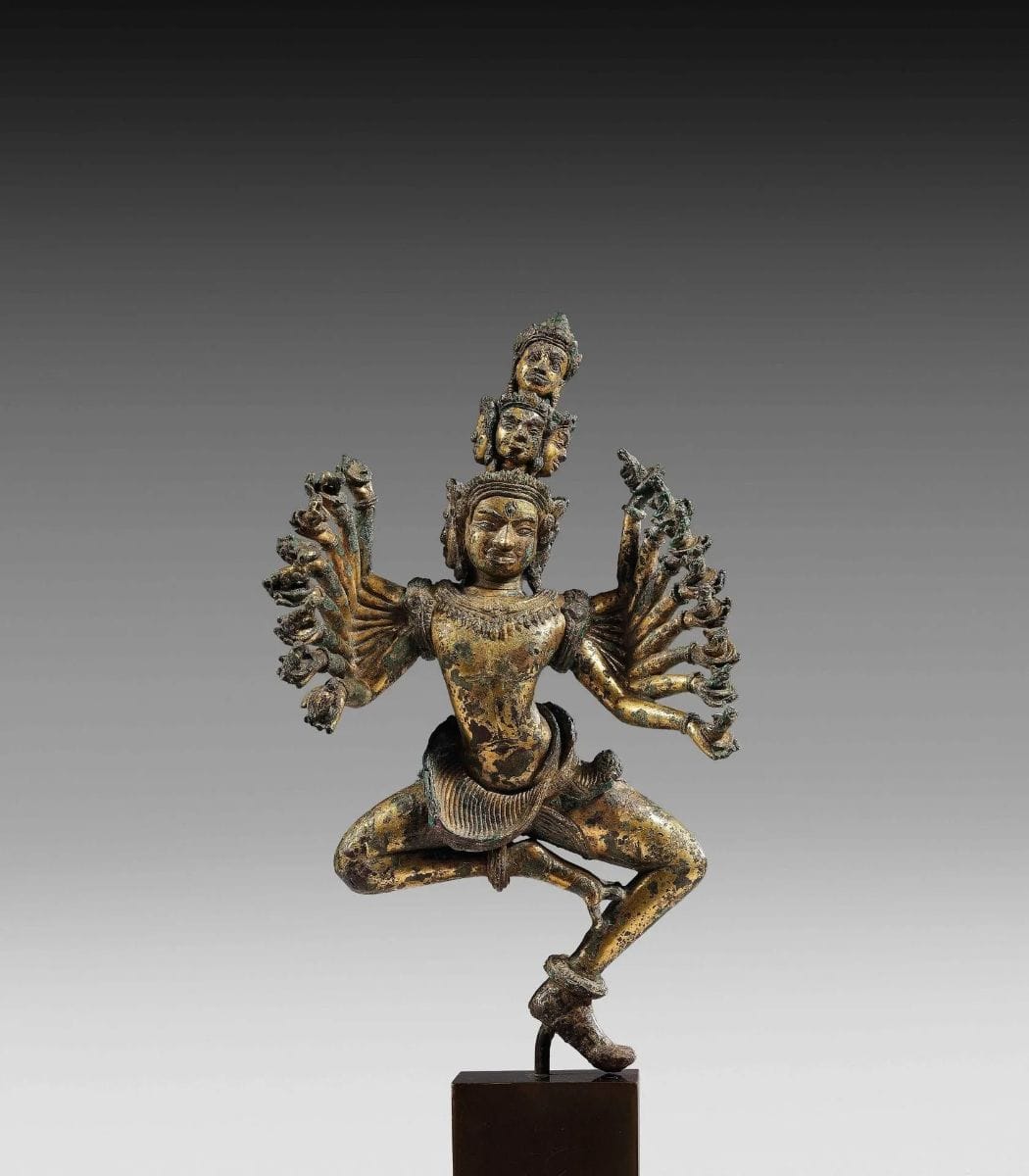
The sale will also include a rare Khmer gilt-bronze Hevajra from the second half of the 12th century, recently exhibited at the Musée Guimet as part of the exhibition Royal Bronzes of Angkor – An Art of the Divine. Retaining its original gilding, this sixteen-armed dancing figure stands as a remarkable testament to the Buddhist art of the Khmer Empire (€35,000–40,000).
Collectors of Chinese imperial porcelain will discover several museum-quality works. On 11 June, Delon Hoebanx will present a finely potted lobed floral-form vase from the Jiaqing period (1796–1820), decorated with the Three Abundances (San Duo) — Buddha’s hand citron, pomegranate and longevity peach — auspicious symbols of happiness, fertility and long life in Chinese culture (€20,000–30,000).
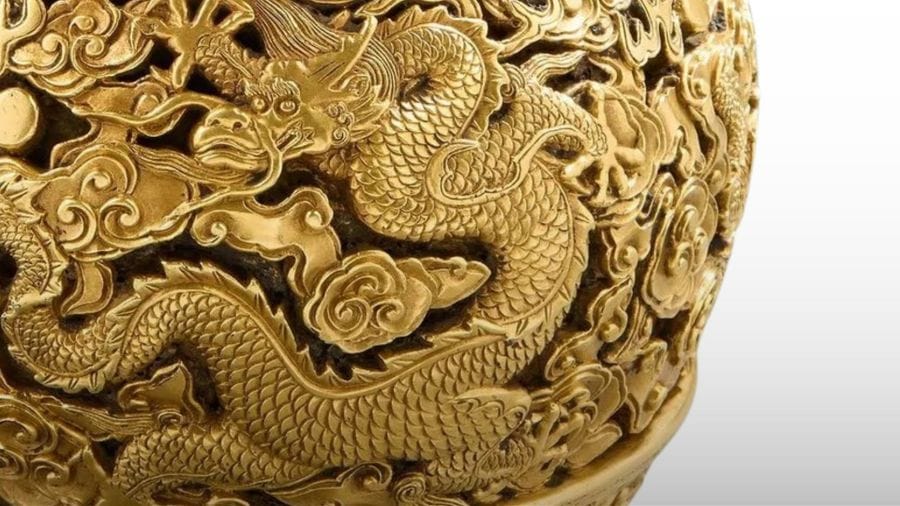
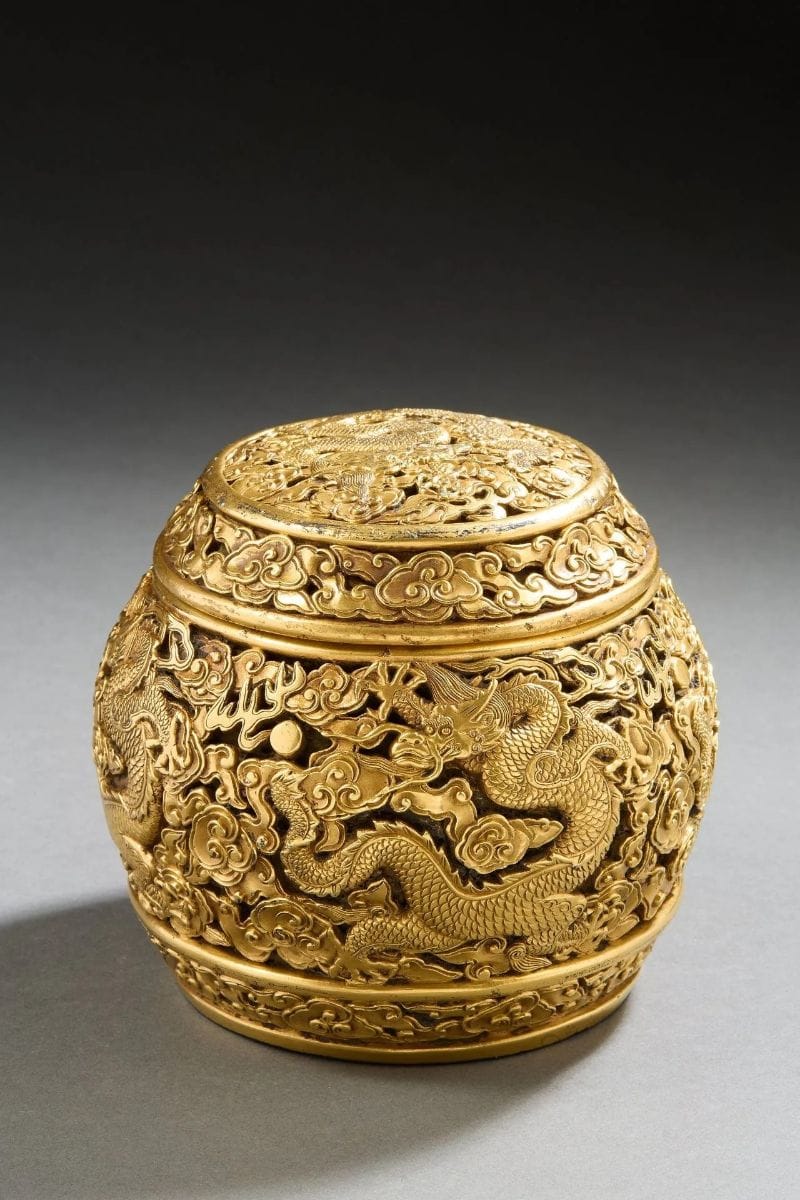
A comparable estimate has been placed on a Chinese gilt-bronze covered cup from the 20th century, finely chased with five five-clawed dragons swirling around the sacred pearl amid stylised clouds. A further highlight is a 19th-century Chinese export porcelain cup, decorated in underglaze blue with a scene depicting the battle of the Eight Immortals against demons, estimated at €15,000–20,000.
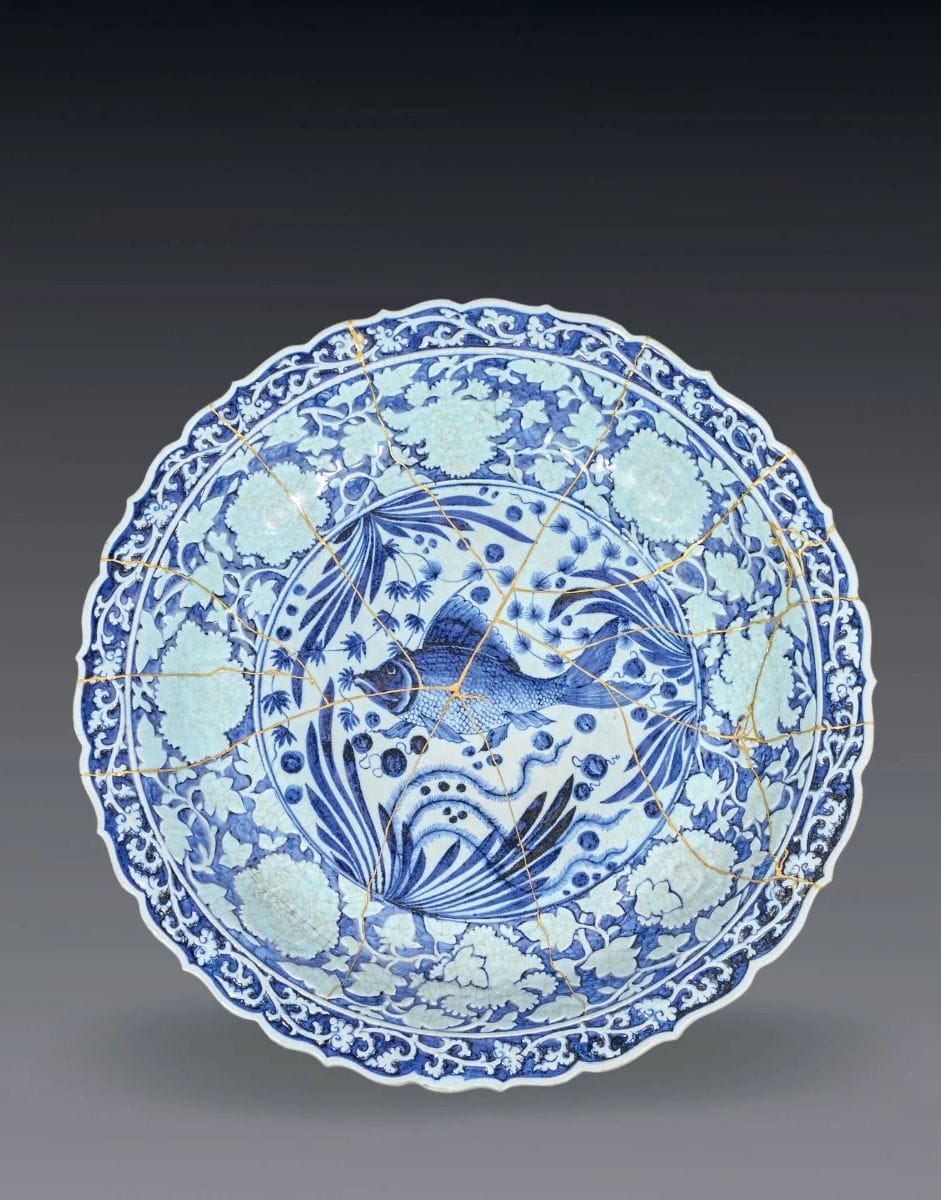
On 15 June, Aponem will offer an important Yuan dynasty blue-and-white porcelain dish dating from the 14th century. Measuring an exceptional 59.5 cm in diameter, the dish — decorated with a naturalistic fish swimming among aquatic plants — illustrates the sophisticated early production of blue-and-white porcelain at Jingdezhen, then created for Middle Eastern markets under Mongol rule. Only one comparable example is currently known on the international market.
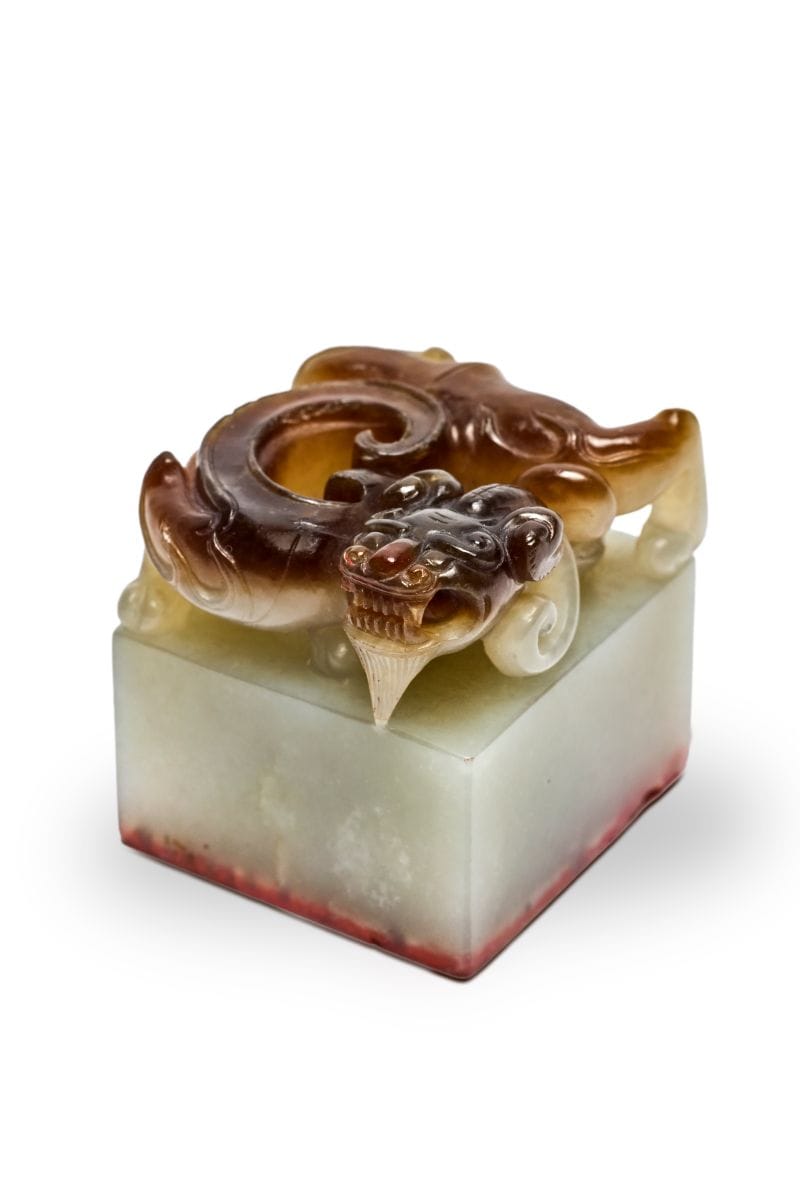
The same day, Christophe Joron-Derem will highlight the refined court arts of the Qianlong reign through several remarkable imperial objects, including a celadon jade seal entitled Lotus Pavilion, referring to one of the emperor’s favoured meditation retreats within the imperial residence at Chengde. The sale will also feature a delicate famille rose porcelain vase decorated with swallows and apricot blossoms, motifs traditionally associated with success in the imperial examinations.
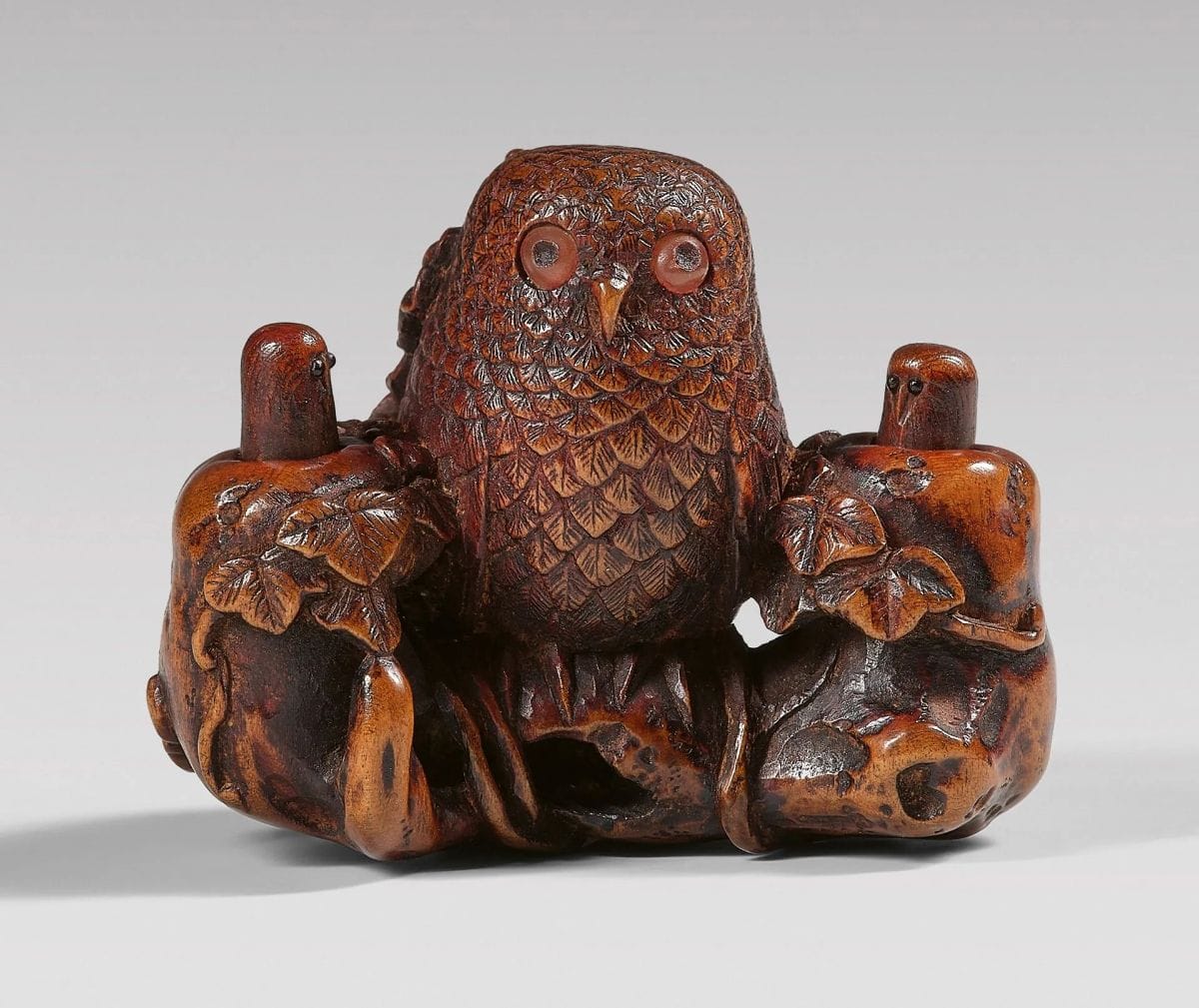
On 12 June, Thierry de Maigret will disperse an important private collection of Japanese netsuke from the 18th and 19th centuries. Signed by leading masters including Okatomo, Tametaka, Mitsuhiro and Tomokazu, these miniature ivory and boxwood carvings demonstrate the extraordinary virtuosity of Edo-period Japanese craftsmanship. Highlights include a wolf howling in pain beneath the grip of a crab, a Daruma emerging from an alms bowl, and an owl perched between two nests from which the movable heads of its chicks emerge.
Another notable work is a surtout de table composed of two shell-shaped Chinese porcelain bowls decorated in famille verte enamels from the Kangxi period, characteristic of the taste cultivated by 18th-century Parisian marchands-merciers.
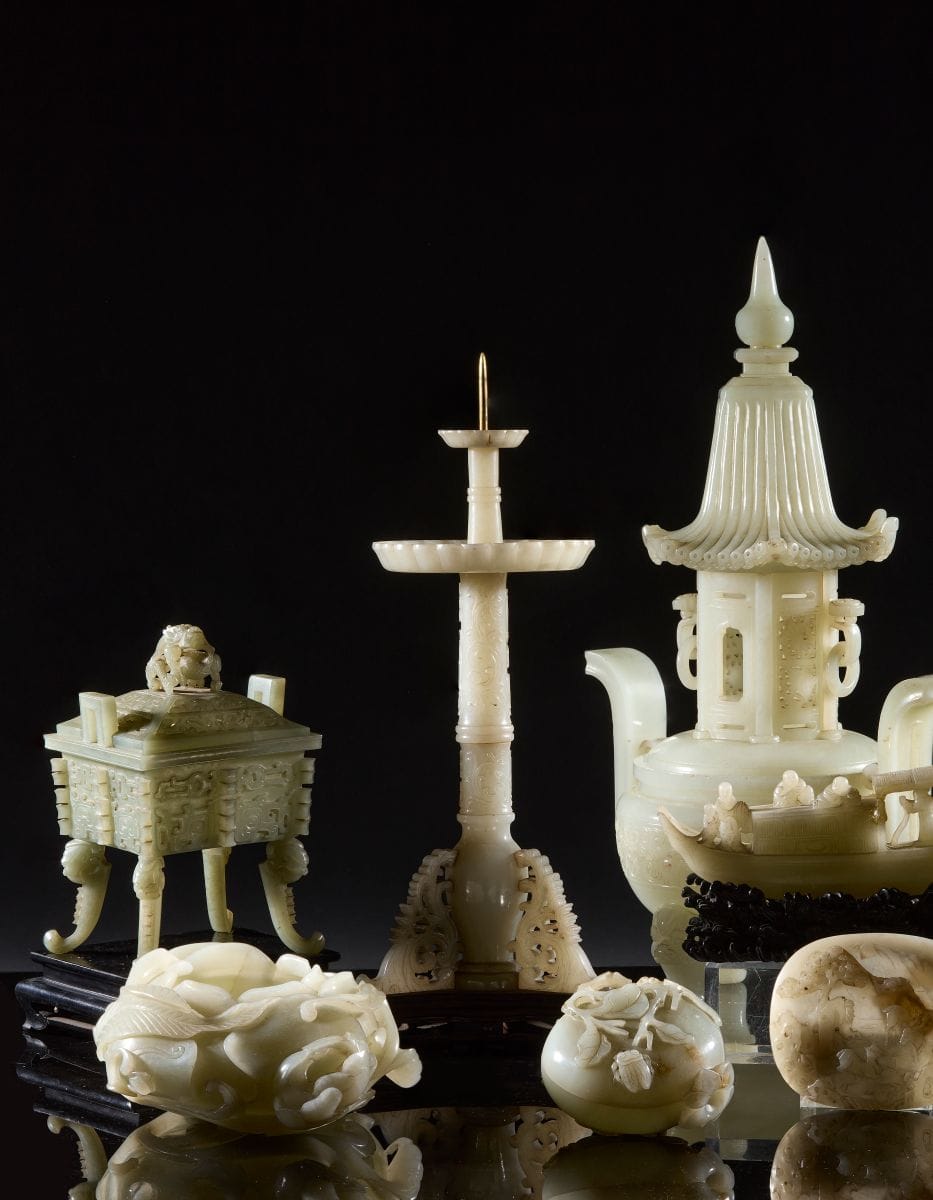
Finally, on 19 June, Audap will present a group of twelve Chinese jades illustrating the symbolic and political importance of jade within imperial Chinese culture. The leading work of the ensemble is a rare Qianlong-period celadon jade ritual candlestick spike, used during Imperial New Year ceremonies and directly associated with rites performed by the emperor himself within the Yangxin Palace. Only two comparable examples are currently known, held respectively in the collections of the National Palace Museum in Taipei and the Palace Museum in Beijing (€30,000–50,000).