
Wood sculptures
Wood sculpture is one of the oldest practices in the art world, combining the flexibility of the material with the creativity of the artist. From medieval religious sculpture to contemporary works, wood remains a privileged medium for a multitude of styles and forms.
1853 résultats
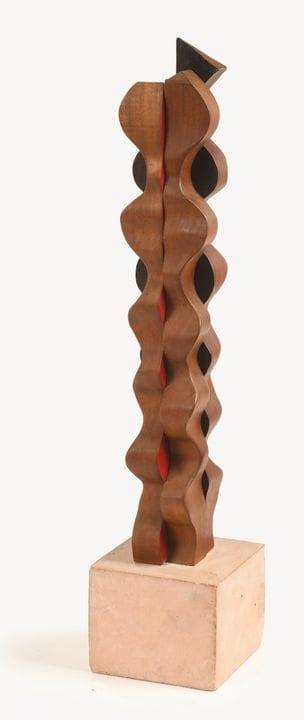

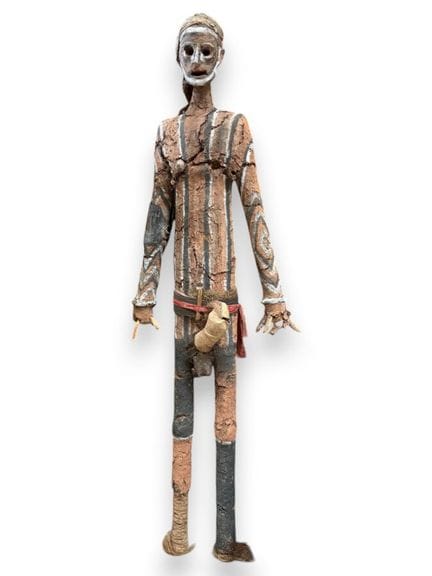
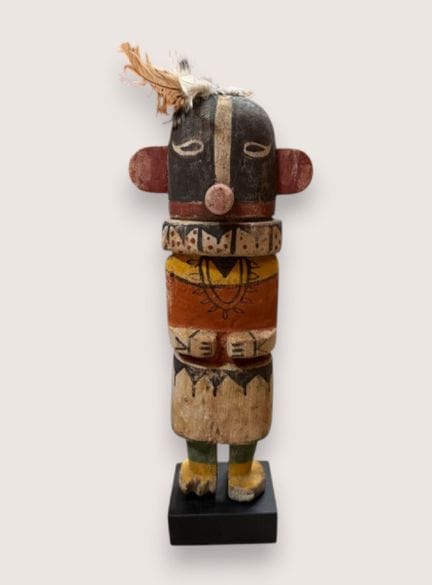
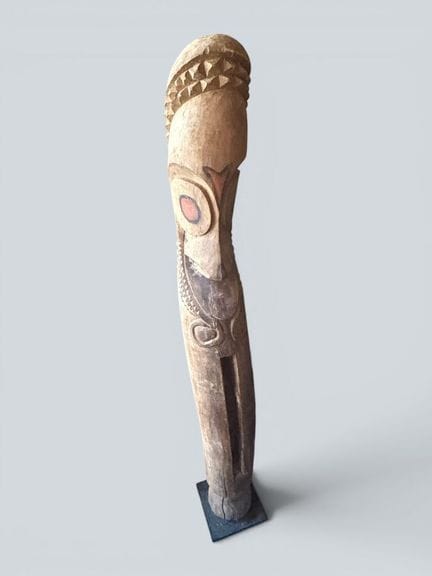
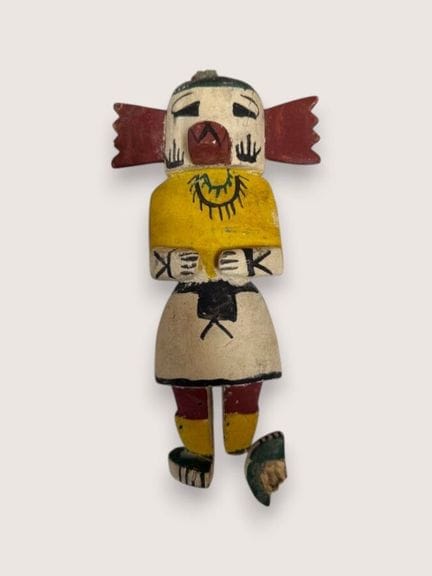

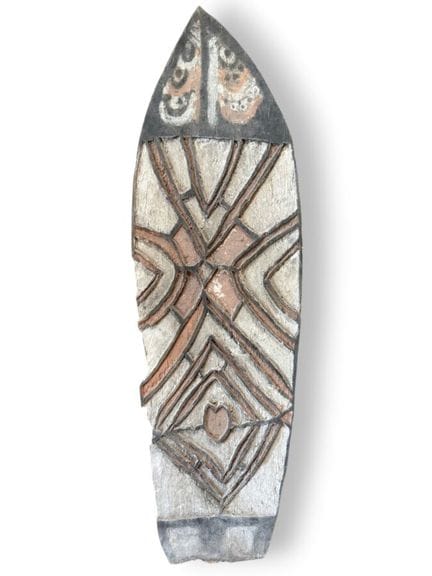
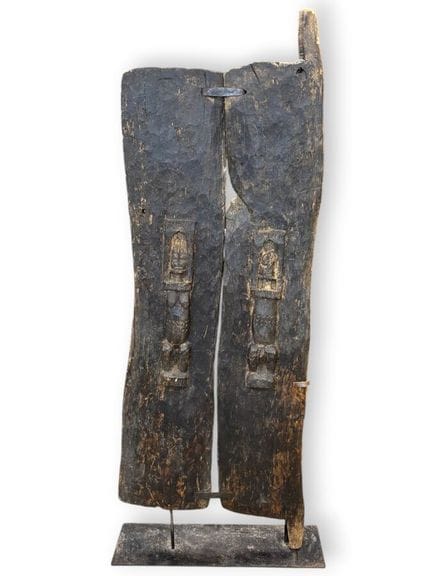

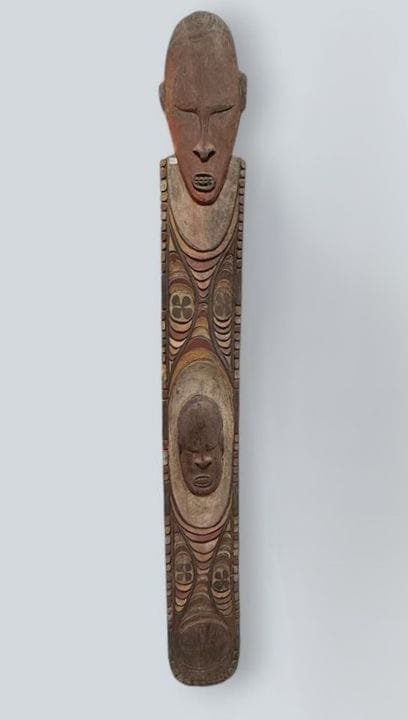

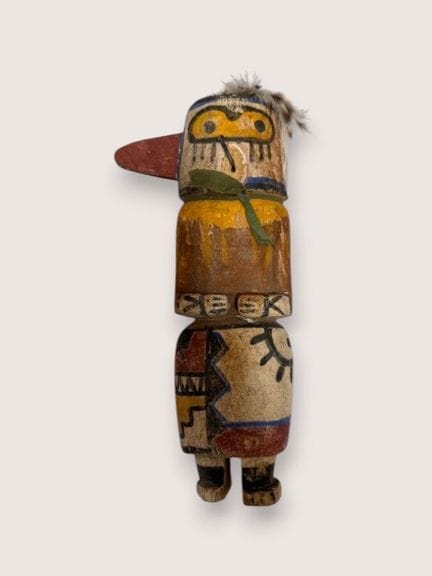
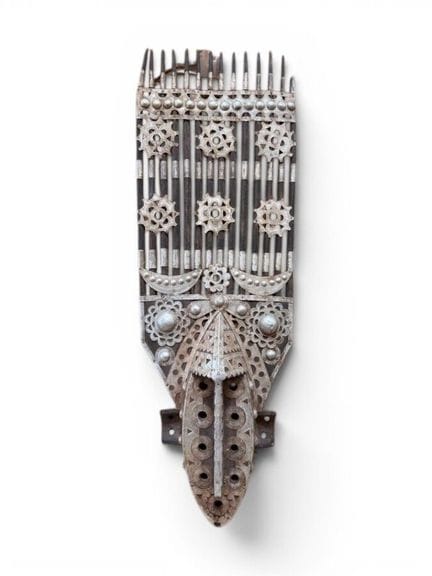
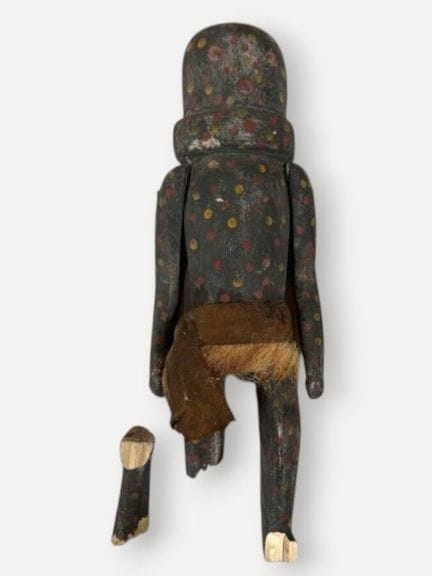
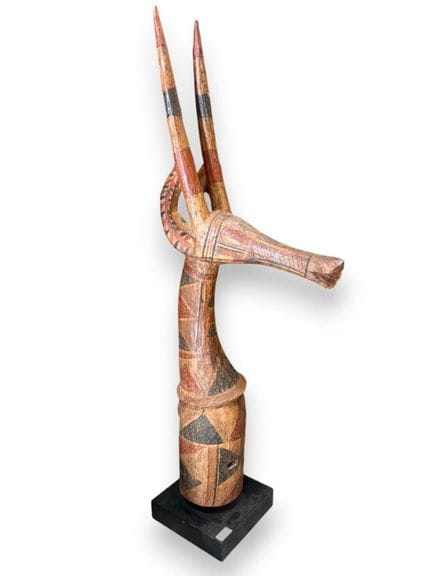
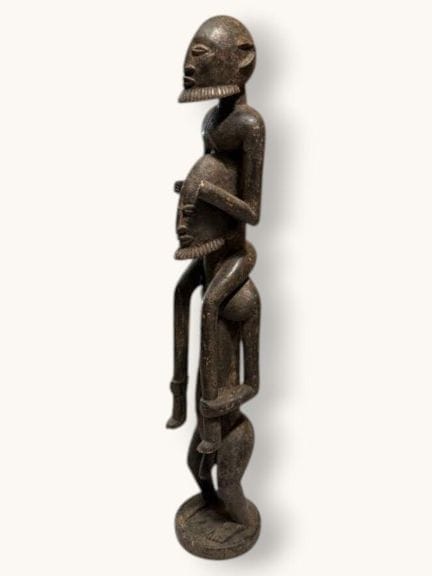
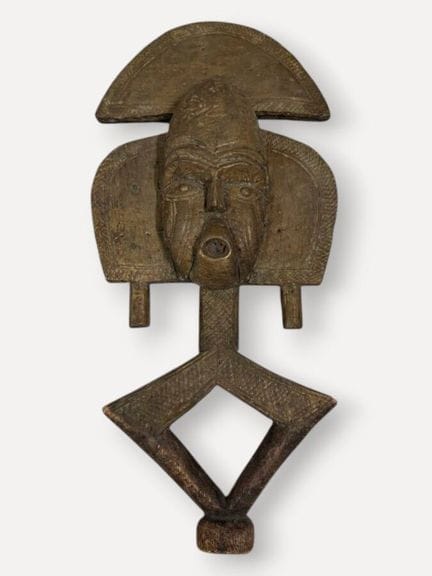
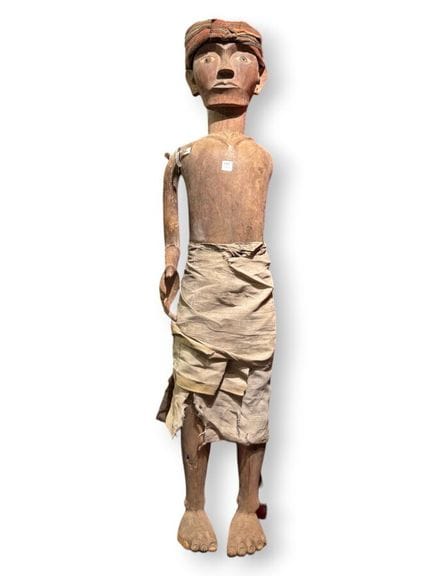
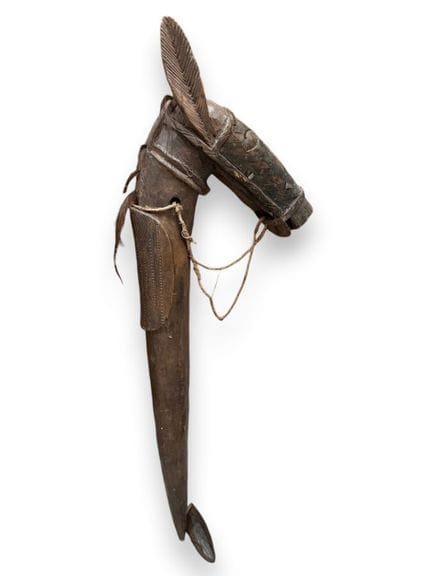
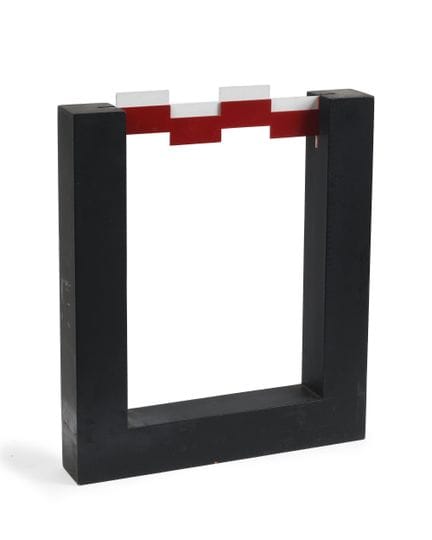
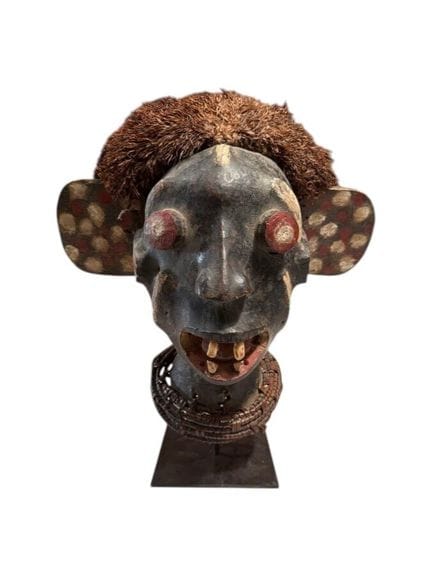
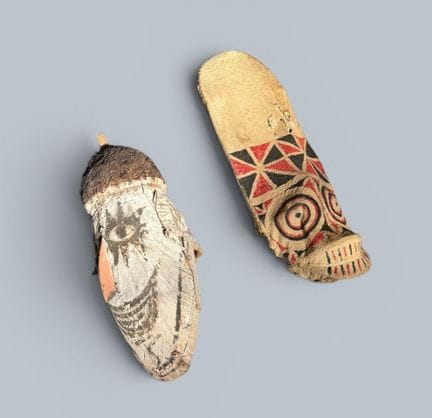
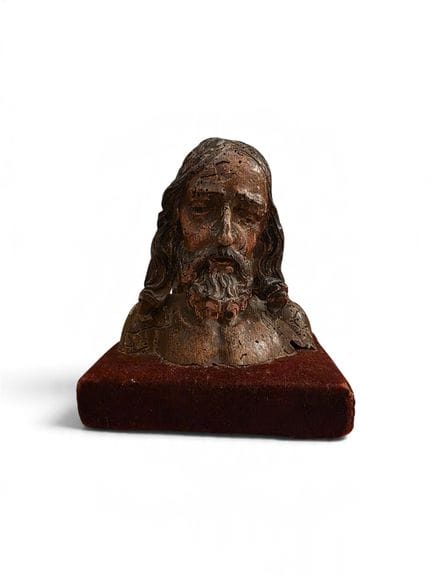
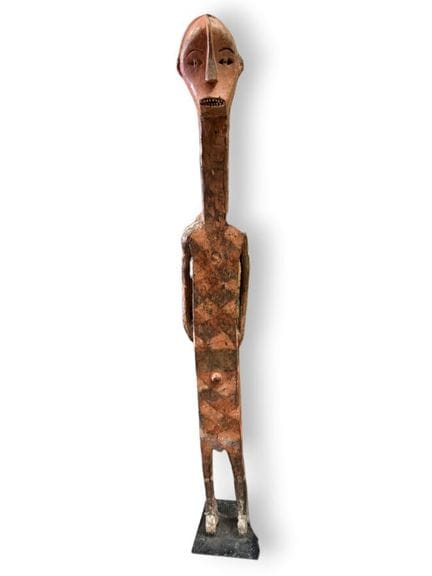
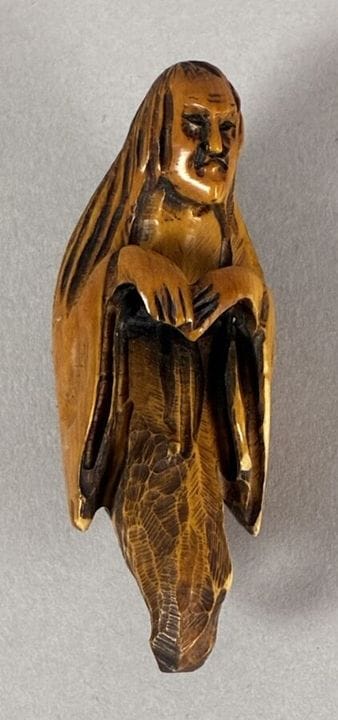
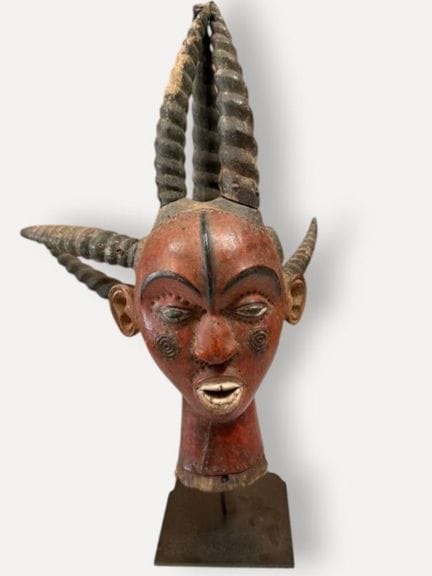
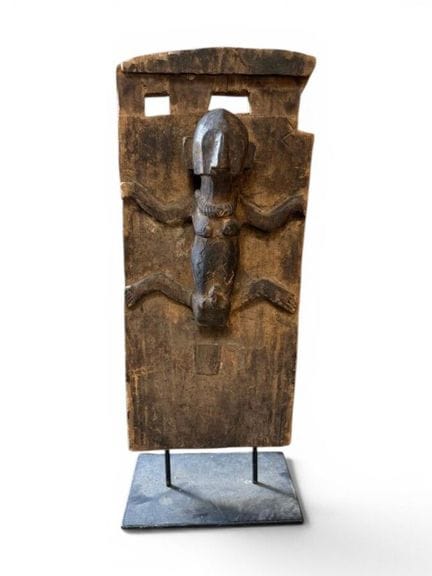
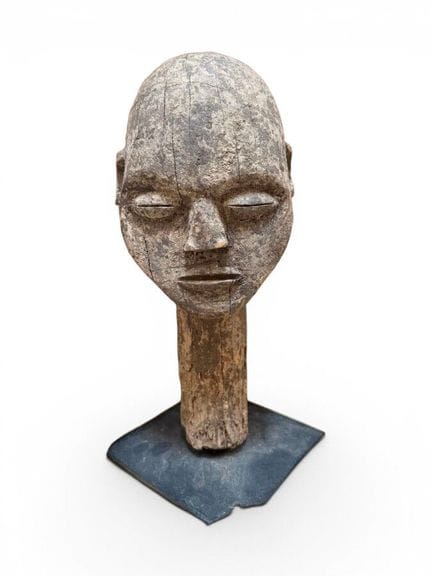
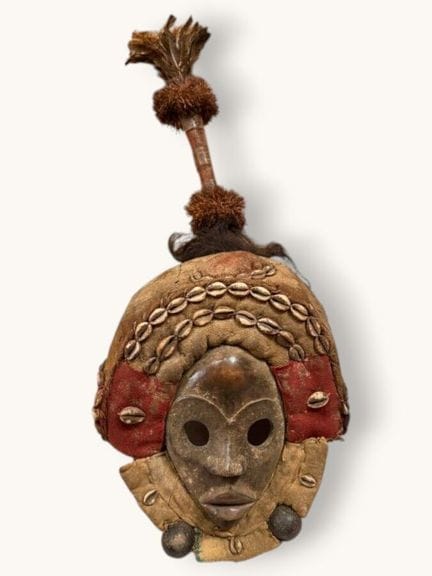
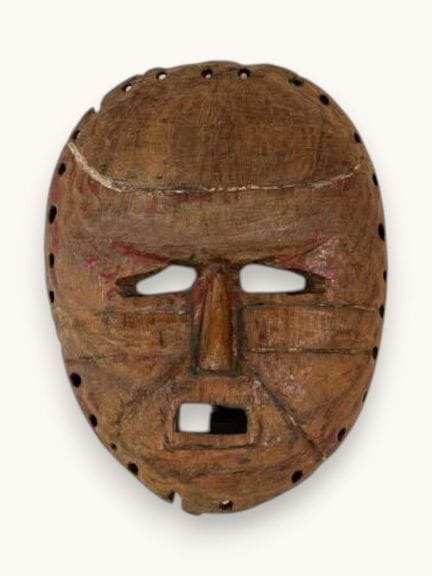
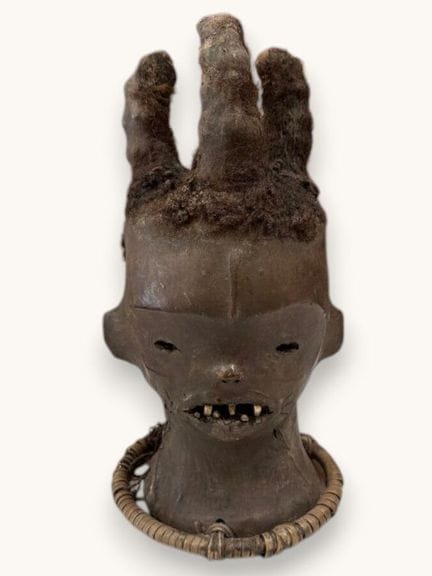




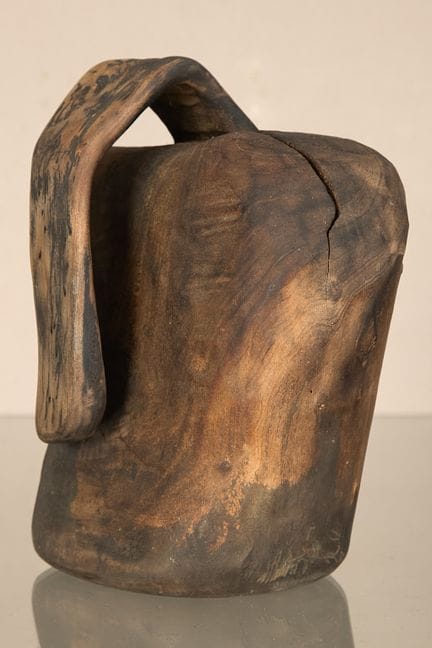
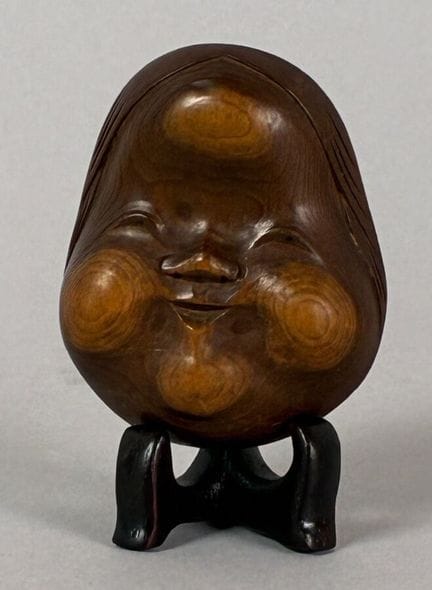
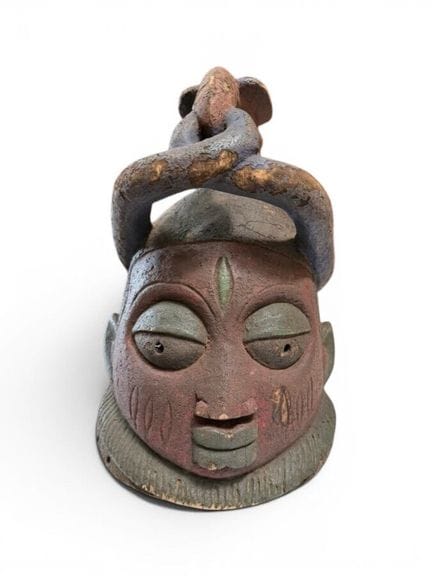
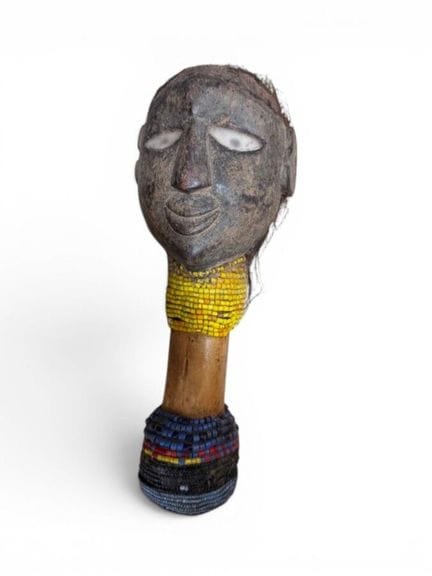
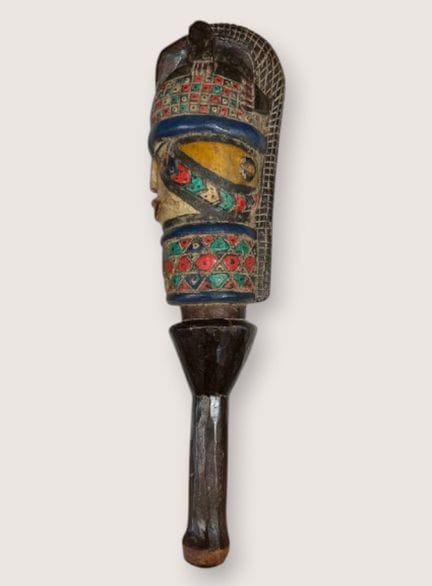
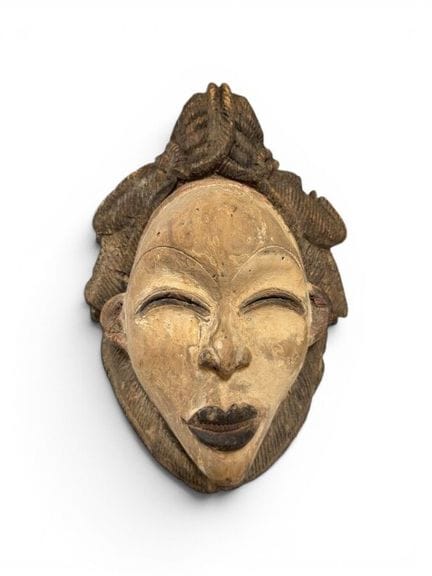
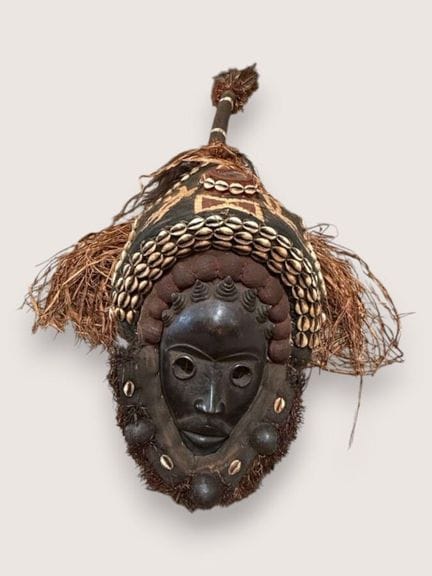
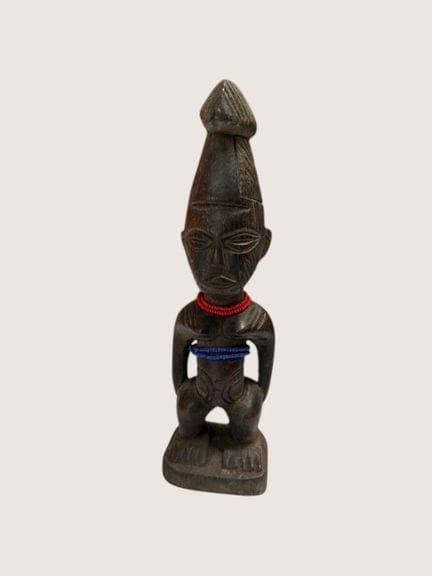
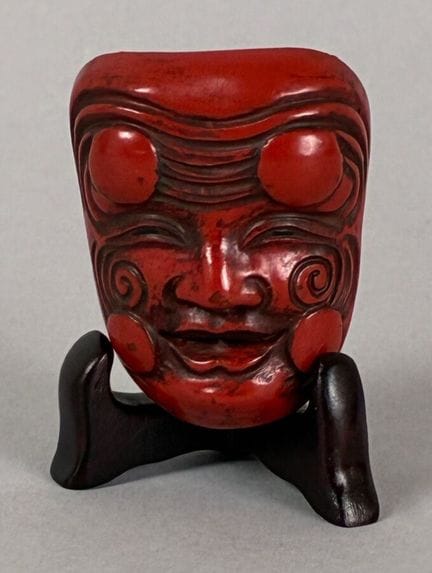
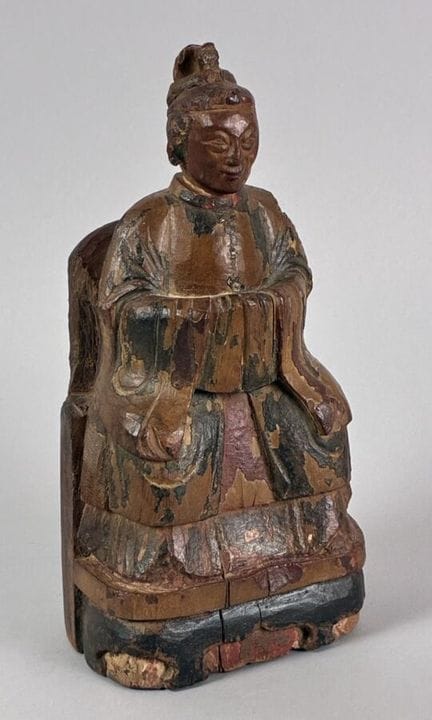
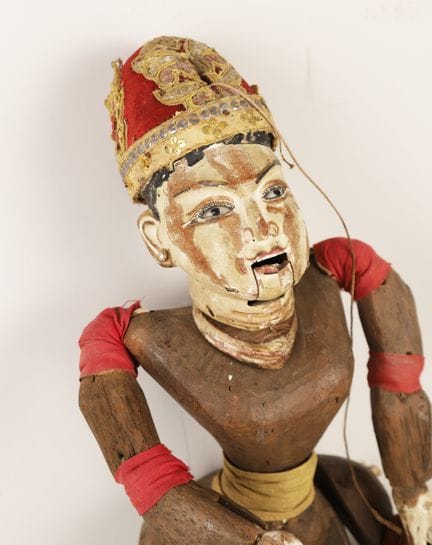
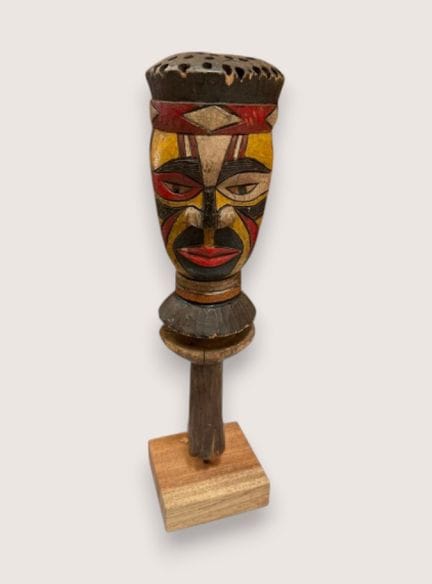


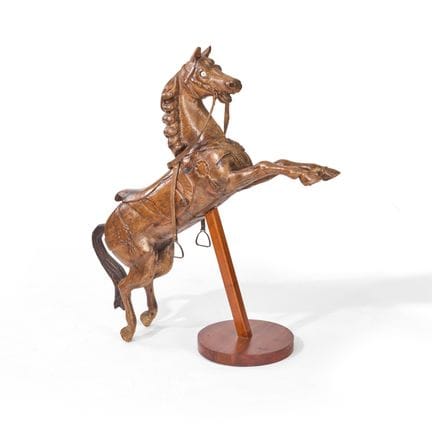
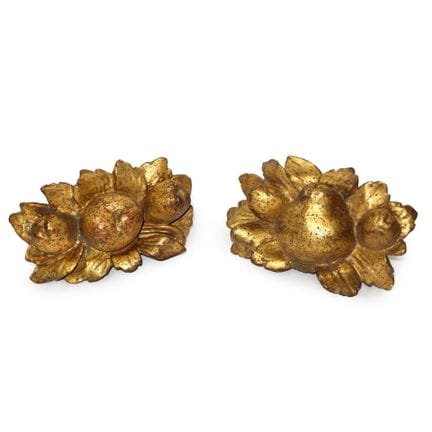
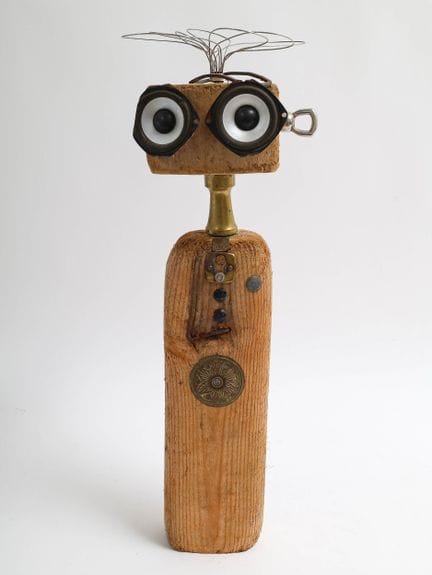
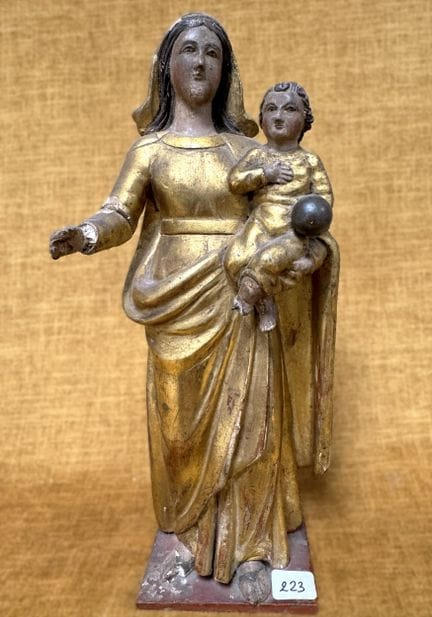
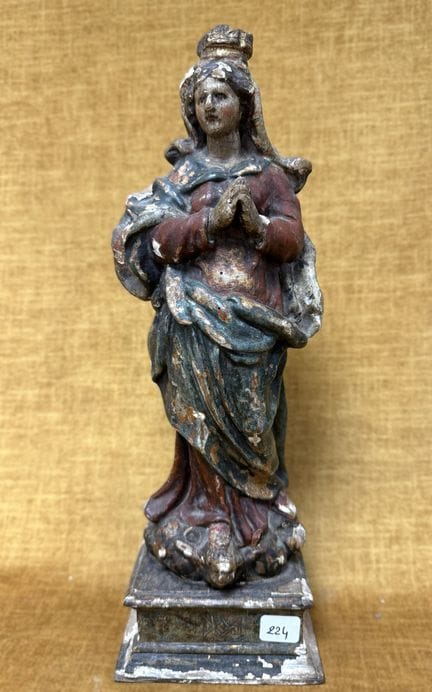
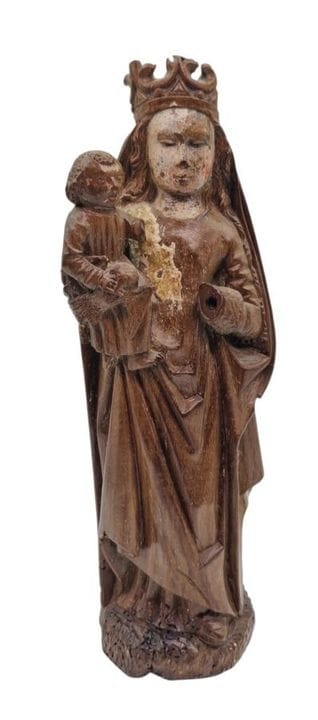
Wood sculptures
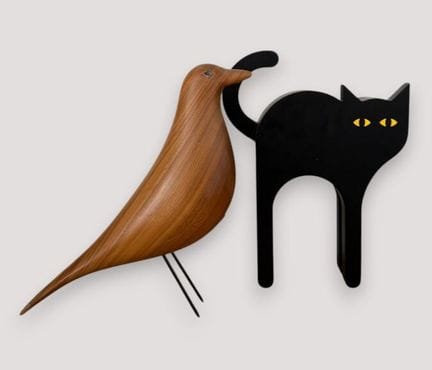
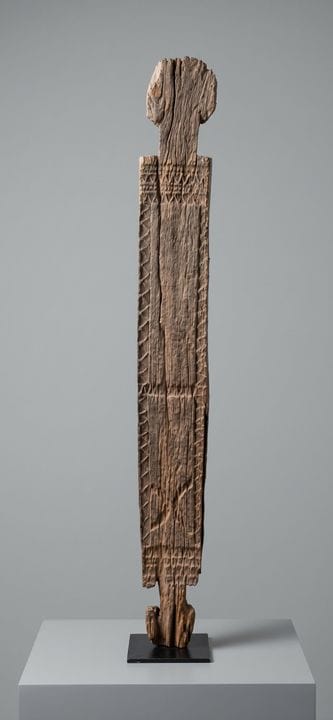
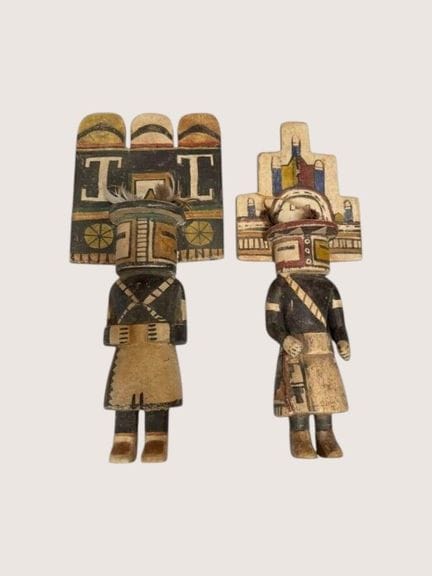
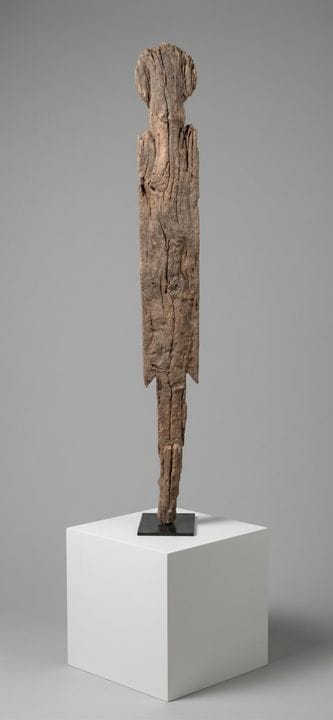
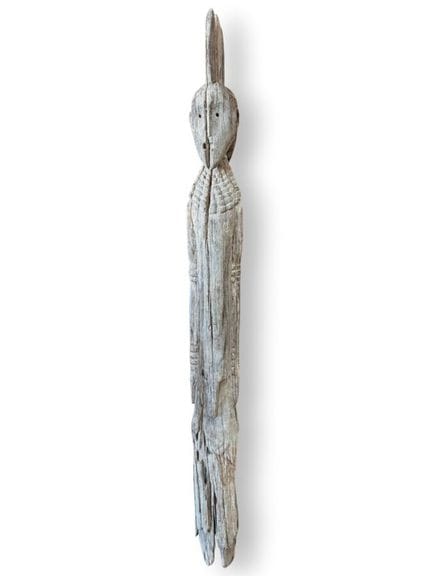
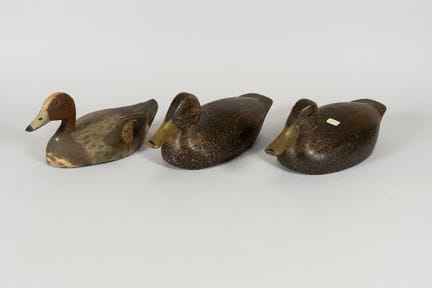
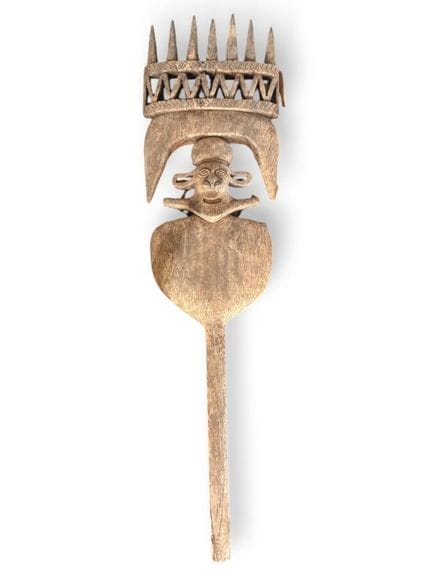
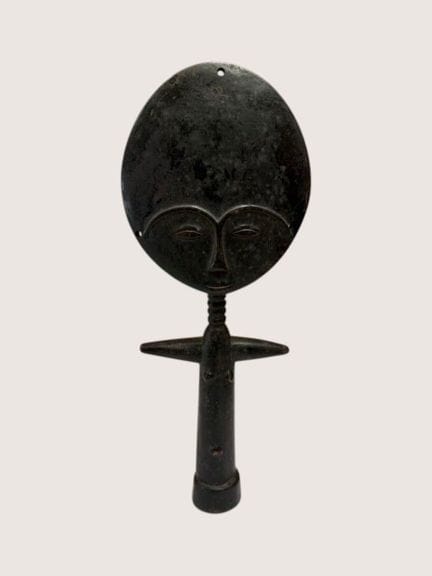
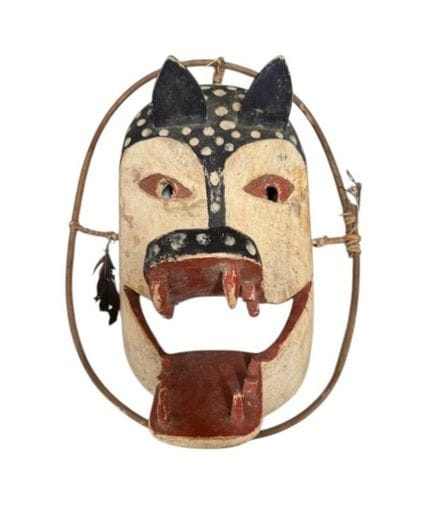
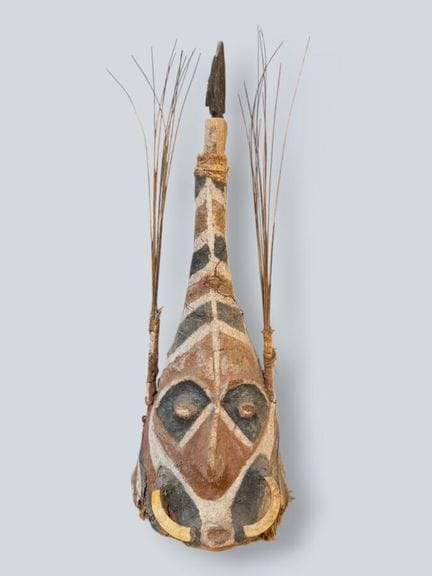
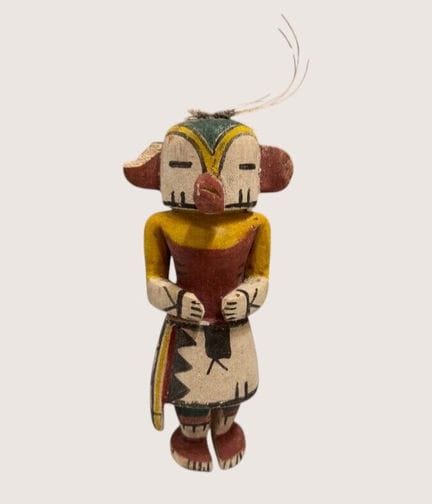
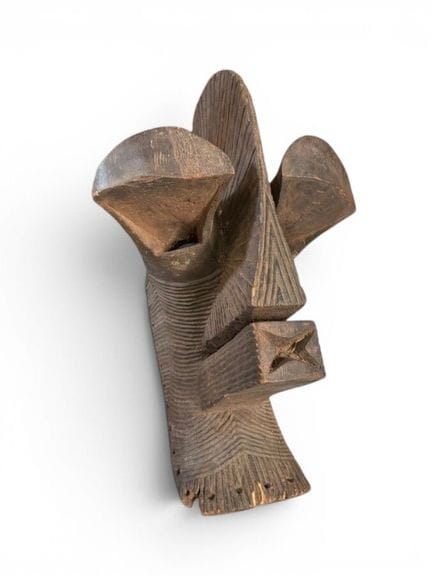
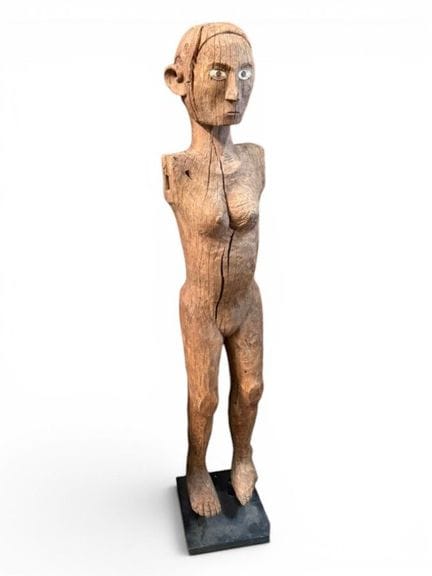
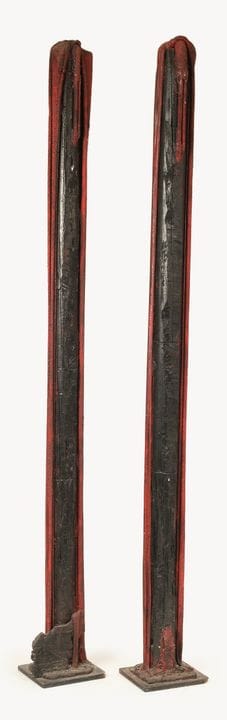
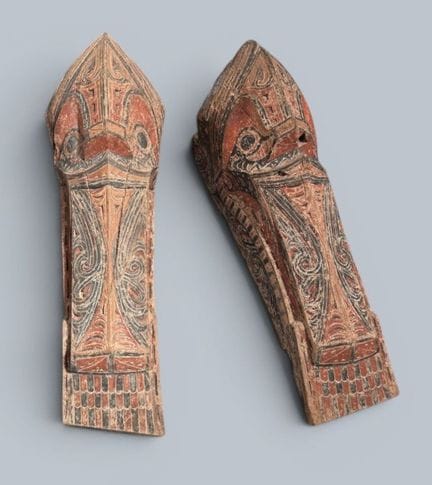
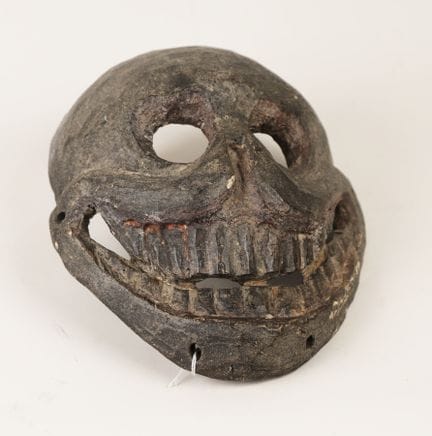
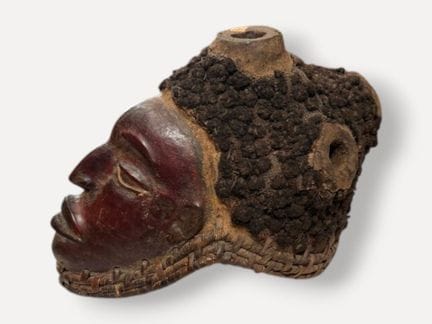
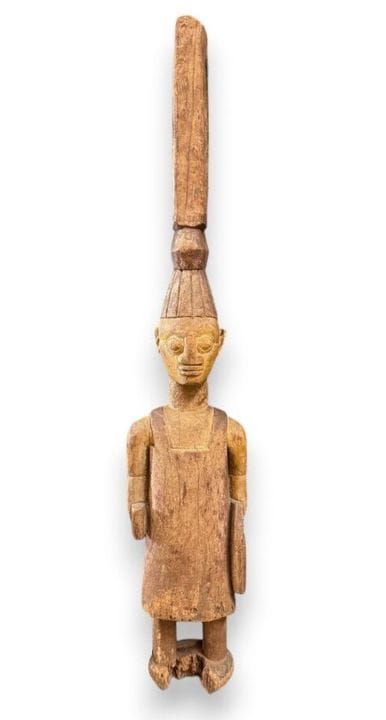
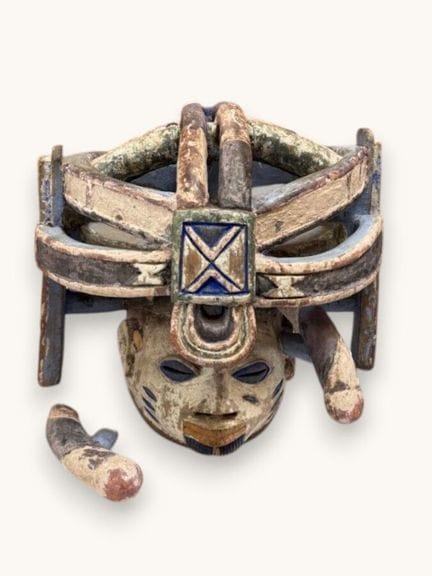
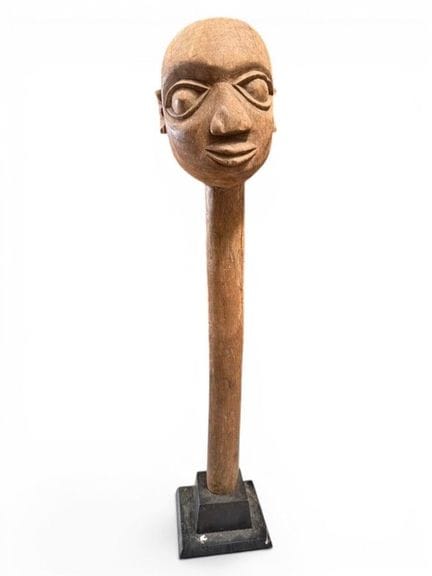
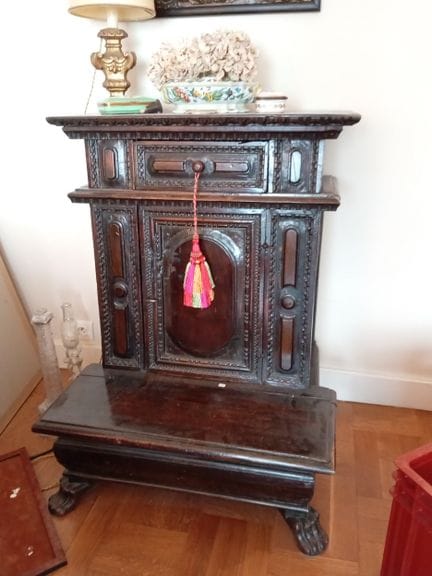
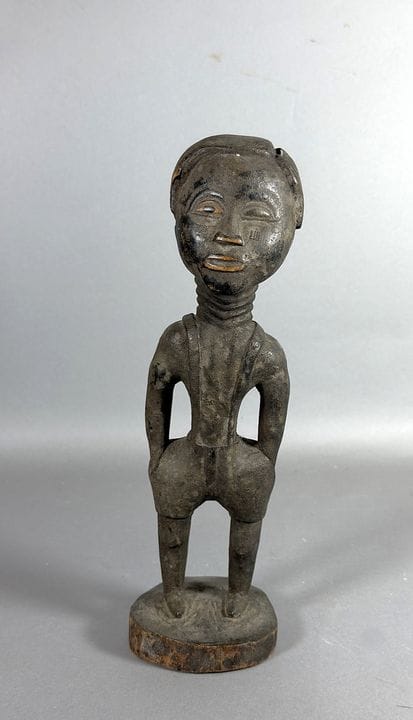
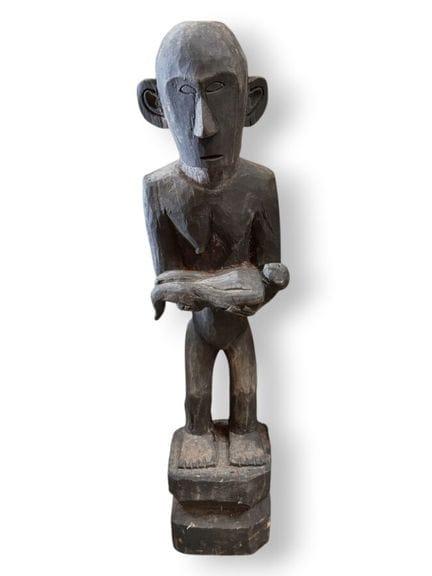
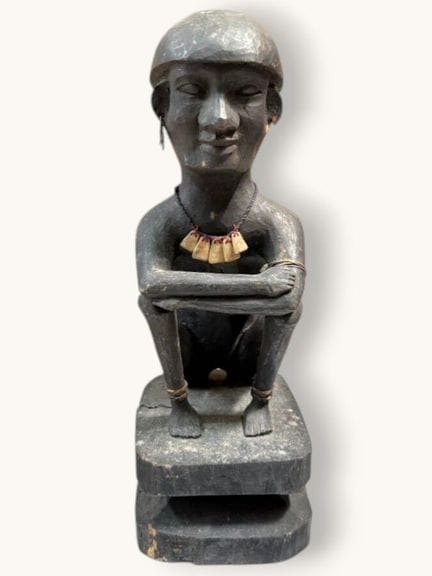
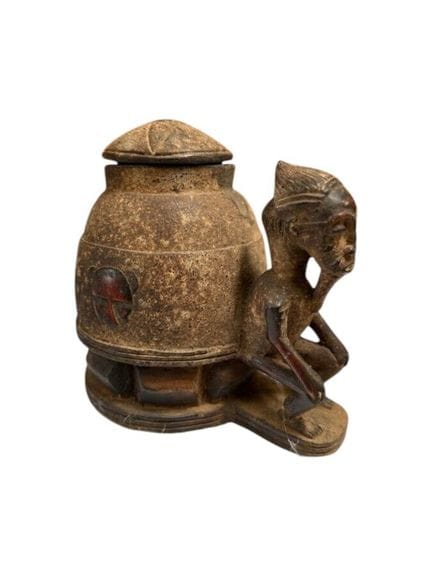
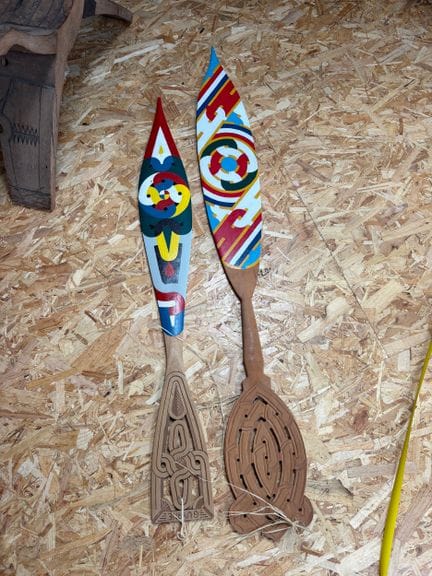
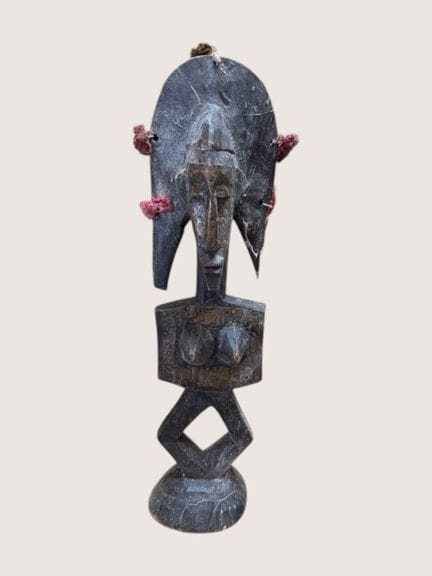
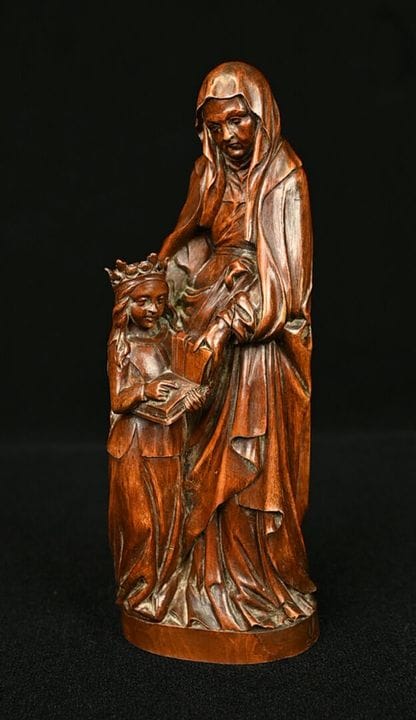
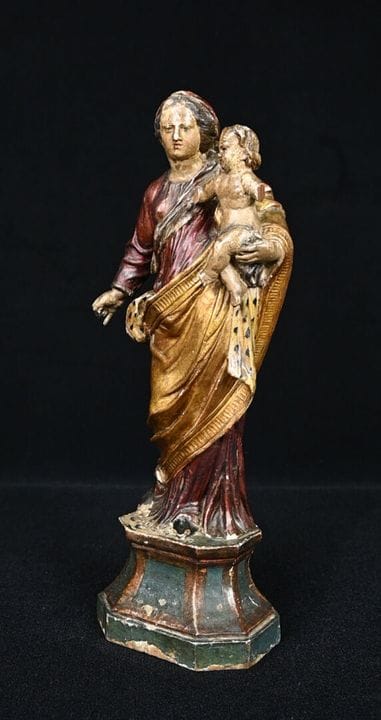
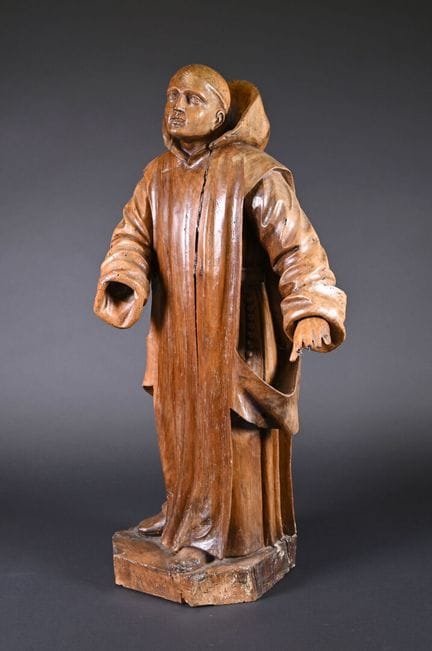
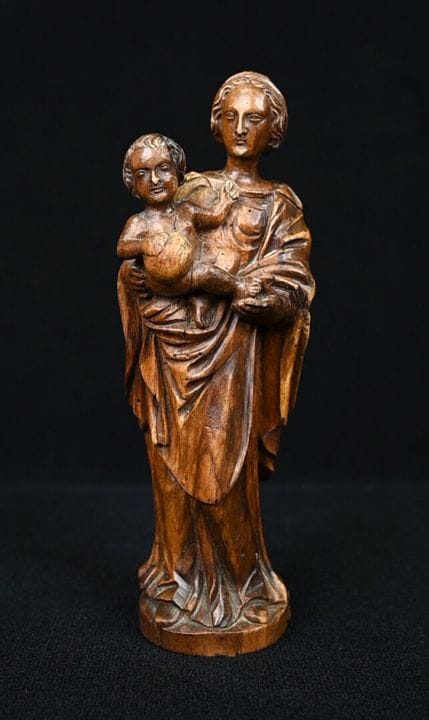
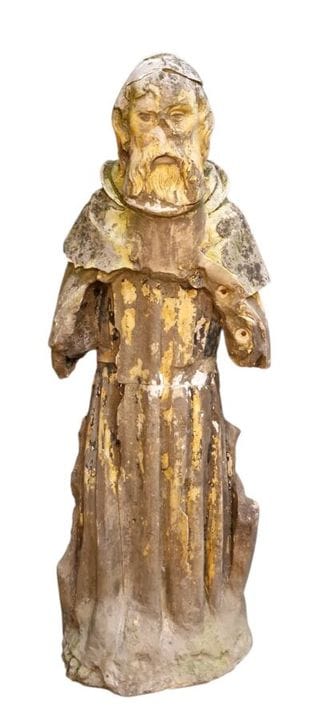
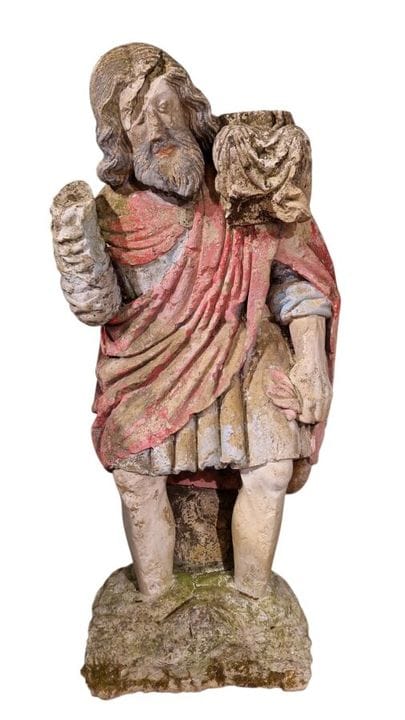
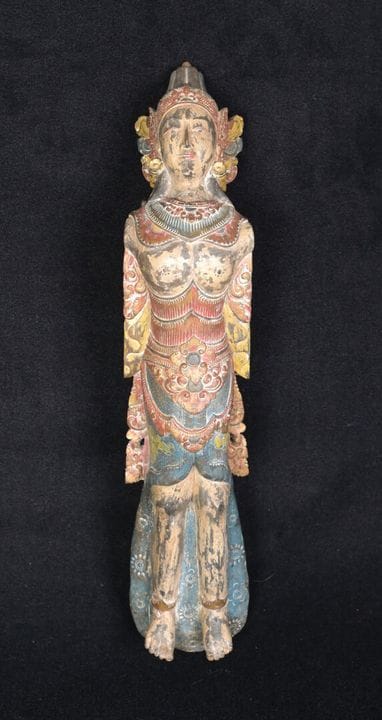
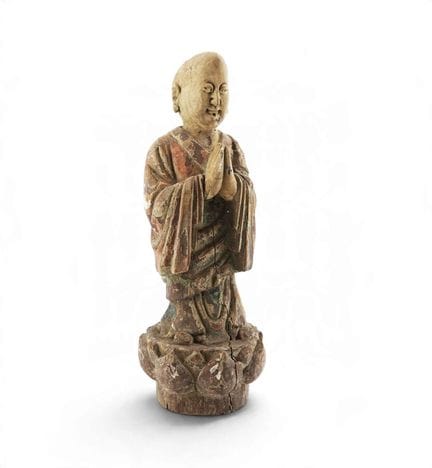
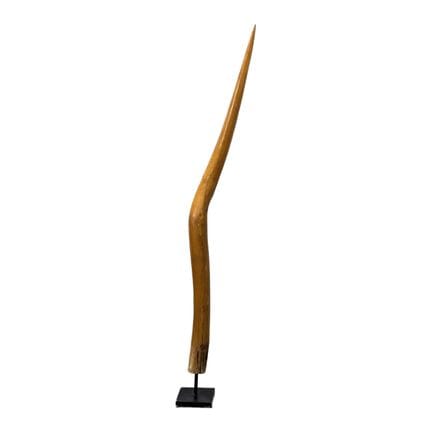
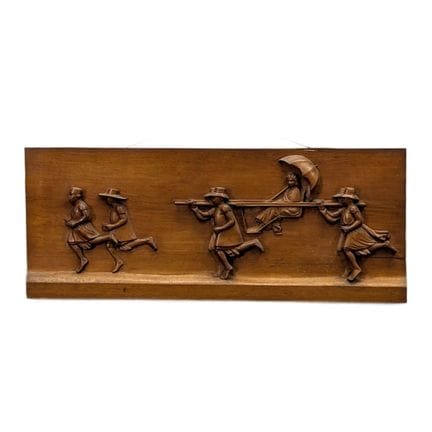
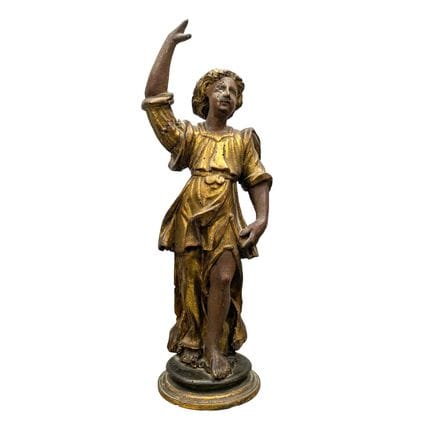
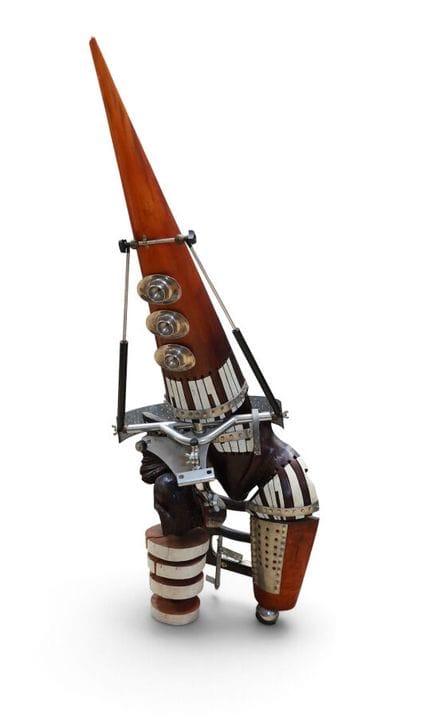
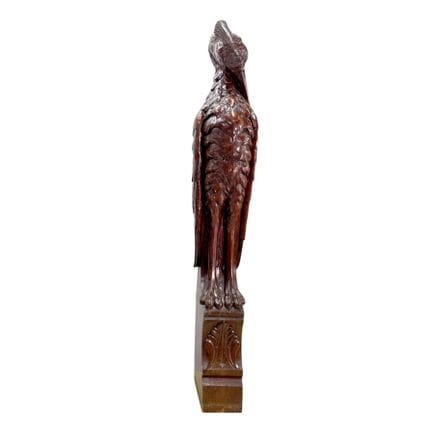
Wood carving is an ancient art form that has stood the test of time, combining the nobility of the material with the finesse of manual craftsmanship. Wood, rich in texture, tones, and color variations, offers a wide range of artistic approaches—whether depicting natural shapes, human figures, or abstract compositions. The art of wood carving requires great mastery, as each piece is unique and the material itself can pose challenges such as grain direction, hardness, or flexibility. Historically, wood carving has been used to create religious objects, altarpieces, statues of saints, and decorative furniture for churches and monasteries. Renaissance masters like Michelangelo also experimented with wood before working with marble or bronze. Wood’s flexibility allows sculptors to express intricate detail, especially in small figures or bas-reliefs. Its natural warmth gives a sculpture an organic and living dimension. The wood's veining, knots, and color variations contribute tactile richness, connecting the artwork to the human experience. Surface treatments like polishing, erosion, or paint can turn a wooden sculpture into a rustic or contemporary piece, depending on the artist’s vision. Today, wood carving holds a prominent place in auctions. Modern creations by contemporary sculptors appear alongside traditional works. Collectors are especially drawn to the timeless and authentic character that wood brings to each piece. Wood sculptures are not only artistic expressions—they also tell the story of the material and its creator, while adding a natural and unique touch to any space.


